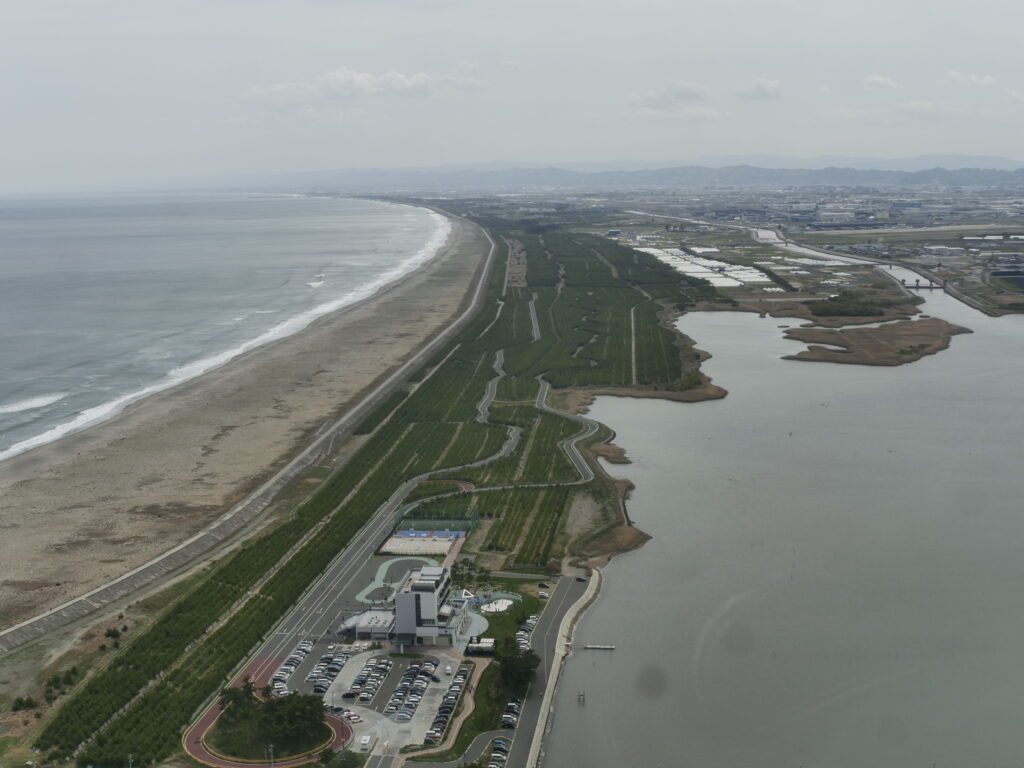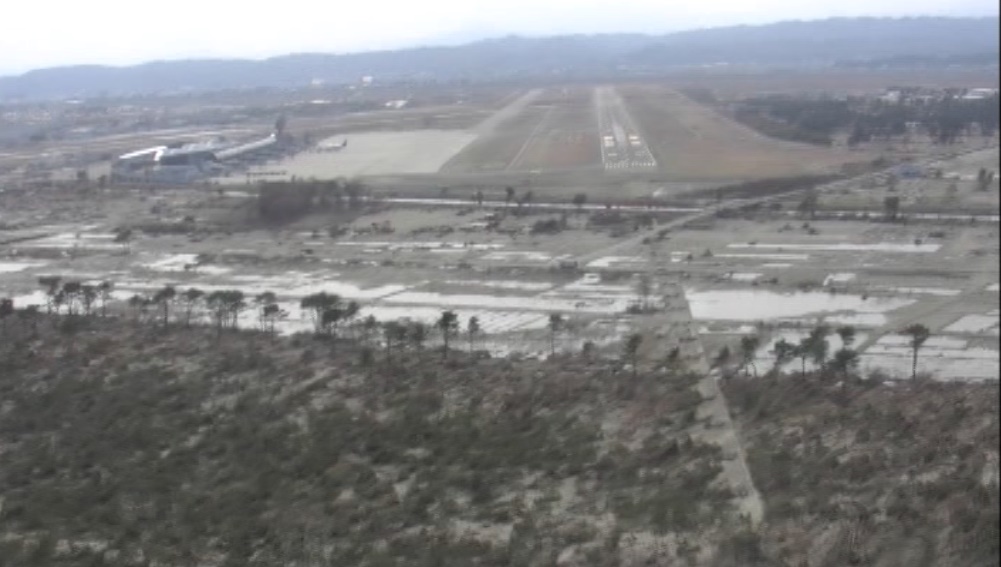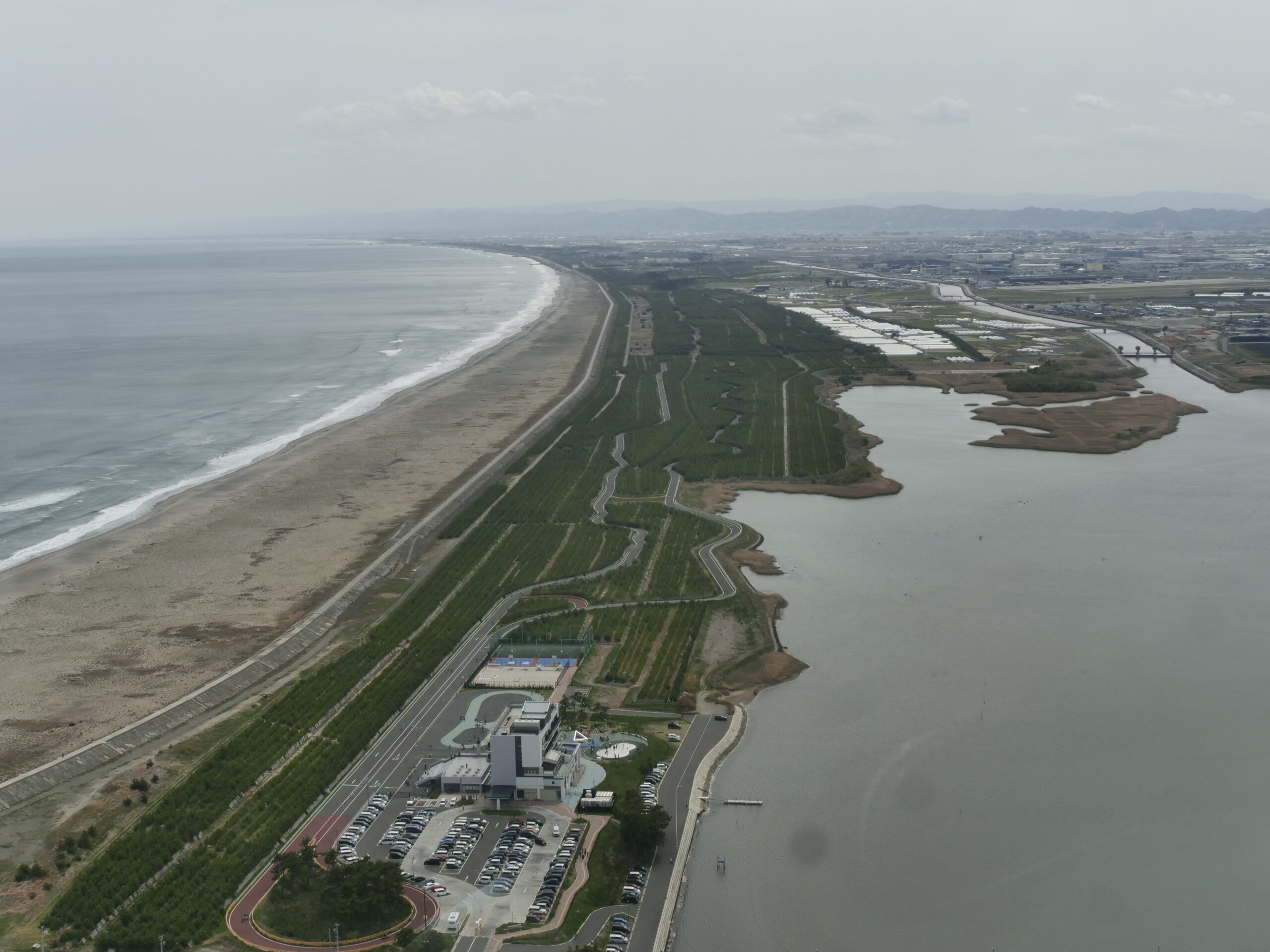
The Great East Japan Earthquake struck in March 2011, causing immense human and material damage to the Pacific coast of the Tohoku region. That same year, OISCA launched the “Coastal Forest Restoration Project” in the severely affected coastal areas of Natori City, Miyagi Prefecture, in collaboration with the “Association for the Restoration of Coastal Forest in Natori City,” which is primarily composed of affected farmers. Since then, with the cooperation of local forestry businesses and volunteers nationwide, we have continued our efforts to restore robust coastal protective forests to the present day.
As the seedlings we nurtured were planted and continued to grow, not only did the project site and surrounding areas gradually undergo changes, but the importance of preparing for disasters in everyday life-a lesson learned through the earthquake and tsunami experience-also began to be widely communicated, particularly from the disaster-affected regions.
From disaster to recovery, and now to disaster prevention and mitigation—fifteen years after the Great East Japan Earthquake, we report on the heightened awareness and current stage of the project aimed at safeguarding the future.
From Disaster to Recovery
Coastal Forest Restoration Project
First Ten-Year Plan (2011-2020)
The site of the Coastal Forest Restoration Project (hereinafter referred to as the Project), the black pine coastal forest in Natori City, Miyagi Prefecture, is said to have originated when Date Masamune, the first feudal lord of the Sendai domain, ordered afforestation within his territory. Since then, it has been replanted many times, protecting the hinterland from sea breezes, flying sand, and the humid spring and summer winds known as “yamase”. Against this backdrop, on March 11, 2011, a magnitude 9.0 earthquake—the largest ever recorded in Japan—occurred. The tsunami generated by this earthquake caused extensive damage across eight prefectures, primarily Iwate, Miyagi, and Fukushima. Coastal forests throughout the Tohoku region also suffered extensive damage, with affected areas totaling 3,660 hectares. The coastal forests along the Natori City coastline, boasting a 400-year history, also sustained catastrophic damage.
Immediately after the earthquake, while various emergency and reconstruction support efforts were being carried out by both the government and private sector, OISCA used its long-standing experience in overseas forest development to formulate a coastal forest restoration project in Natori City. We initiated a long-term integrated project covering everything from black pine seedling production to planting, subsequent nurturing, and management. This was achieved through the conclusion of agreements with the landowners—the national government, Miyagi Prefecture, and Natori City—the cooperation of forestry experts, and the understanding of local farmers. Setting a ten-year period from 2011 to 2020 as the initial phase, and in collaboration with the “Association for the Restoration of Coastal Forest in Natori City” formed primarily by affected local farmers, the project aimed to restore 100 hectares of coastal forest and secure 1 billion yen in funding.
To enable the pine trees to establish deep, sturdy roots in the ground and fulfill their role as resilient disaster-prevention forests, the national government constructed embankments at the planting sites. At this planting site, OISCA began planting in 2014. By the end of fiscal year 2020, it had planted 72.46 hectares of actual planting area, totaling 370,198 trees (with a survival rate of 99.2%), and achieved revenue of ¥850.5 million from donations and other sources. Additionally, the first planted forests established in 2014 recorded an average growth of 5 meters after 10 years, though individual variations exist due to differences in soil conditions.
From Disaster-Stricken Areas to the World
Rising Disaster Preparedness Awareness
As the project’s first decade progressed, the surrounding environment gradually took shape, even as the scars of the disaster remained deeply visible. Within Miyagi Prefecture, disaster-resilient community development has been advanced through various measures. These include multi-layered defenses against major tsunamis (protecting residential areas by placing disaster mitigation features such as protective forests and elevated roads behind seawalls) and relocating residential areas to higher ground or inland.
Furthermore, to share its experience of disaster and recovery with the world, Sendai City announced its bid to host the United Nations World Conference on Disaster Risk Reduction just two months after the earthquake. Subsequently, in 2015, the Third United Nations World Conference on Disaster Risk Reduction was held in Sendai City. Over 6,500 delegates from 185 UN member states witnessed the Tohoku region’s vigorous recovery.
Moreover, the Sendai Framework for Disaster Risk Reduction 2015-2030, adopted as an outcome of the conference, incorporates lessons learned from the earthquake disaster. It commits to preventing new disaster risks while advancing multifaceted mitigation measures for existing risks, and aims to enhance social resilience through cooperation among diverse stakeholders. And to measure progress, concrete global targets—such as reducing disaster-related deaths and the number of people affected—were set for the first time. The former disaster-stricken area has become a site for building disaster-resilient communities and a hub for sharing a new approach with the world—one that prioritizes not only disaster recovery but also disaster prevention and mitigation.
To Develop Resilient Disaster Prevention Forests
Second 10-Year Plan (2021–2030)
As the disaster-stricken area progressed toward becoming a model for disaster prevention, the project also completed all planting by 2020. Starting in 2021, the second 10-year plan began, focusing on the nurturing and management of black pine forests to cultivate stronger disaster-resistant forests. We will introduce its main activities, focusing on two key points.
1. Thinning to strengthen !
Thinning to adjust tree numbers
To create resilient disaster-prevention forests that withstand natural disasters and reliably fulfill all their functions, we must cultivate pine trees with taller, thicker trunks, abundant branches and foliage, and deeper, wider root systems. However, as they grow larger, the overlapping branches of neighboring pines not only cause the lower branches deprived of sunlight to wither excessively, but the roots of surrounding pines also inhibit each other’s growth.
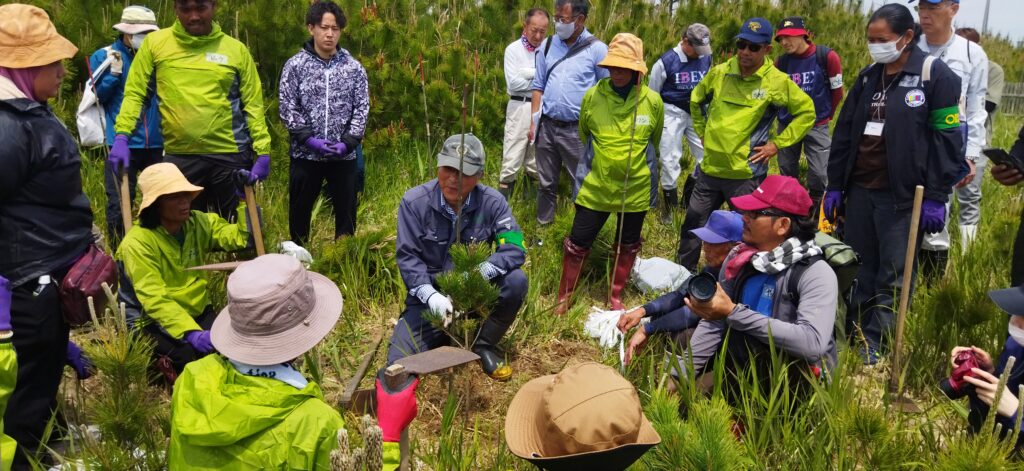
To suppress this and grow strong pine trees, thinning is essential. We conducted trial thinning in 2021. Based on the principle that “one row cut, two rows left” thinning at a 33% removal rate is optimal, selective thinning to adjust tree density has been progressively carried out since 2022 by the Miyagi Central Forestry Cooperative, Matsushima Forestry Corporation, and volunteers. Last year, thinning was completed on 95% of all planted areas. This marks the first cycle, and over the next several decades, we will gradually reduce the number of trees per hectare from 5,000 at planting to between 800 and 1,000. At the outset, the cutting approach and cutting rate were implemented without a clear optimal solution for either the administration or experts. OISCA has been advancing work ahead of other disaster-affected coastal forests, collecting data from test sites with varying cutting rates. We continue our activities hoping that these efforts will prove useful for other sites in the future.
2. The Battle Against Kudzu Vine
The Strength of Volunteers
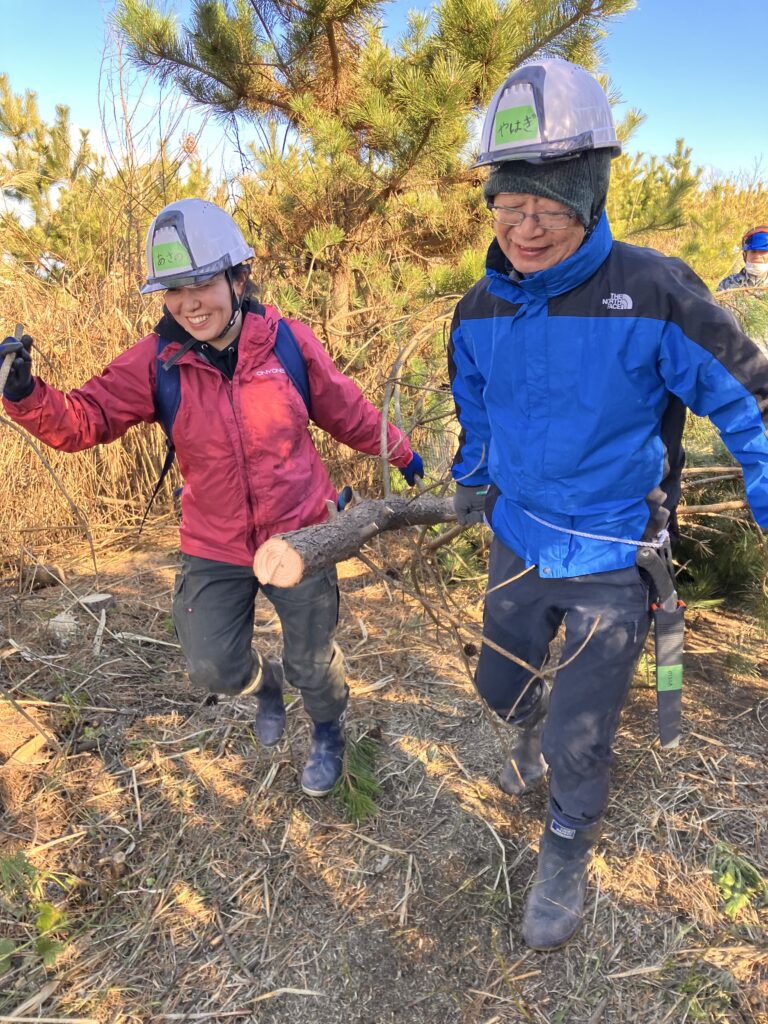
In the project, volunteers were considered a “workforce” complementing the roles of forestry workers. Together with volunteers from all over the country, we carried out various tasks such as removing undergrowth, pulling out wild vine and digging drainage ditches.
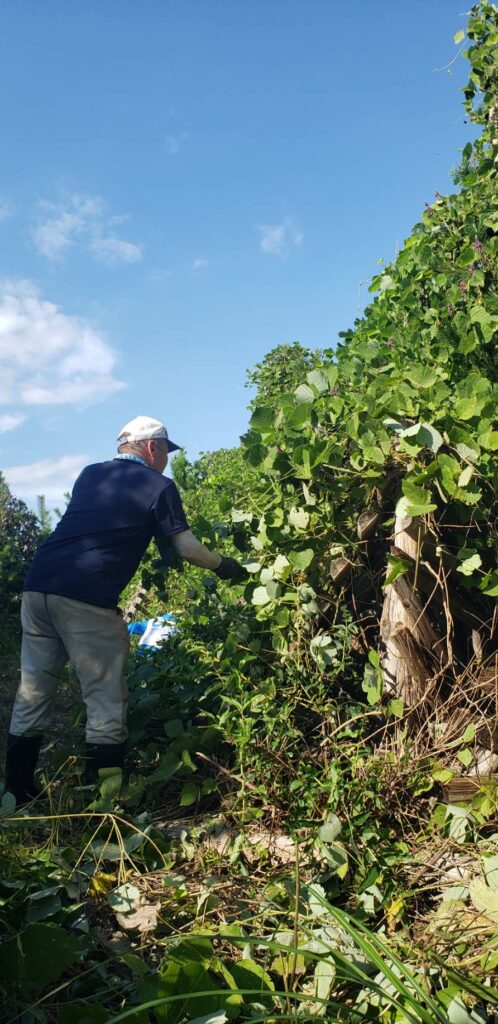
The efforts of volunteers are indispensable for eliminating the kudzu vine that have proliferated especially around the time of the COVID-19 pandemic. Kudzu is a plant so vigorous it’s called the “Green Monster” in America, choking and killing other plants it wraps around. To prevent its invasion into the forest, forestry workers spray herbicide around planting sites. Volunteers then venture into the woods, armed with sickles and small bottles of diluted herbicide, to carry out the work. Twisting their bodies between the hard branches and needles of pine trees and the dense, wall-like growth of kudzu, they cut at the roots and applied herbicide—a grueling, seemingly endless task. Yet approximately 17,000 volunteers participated. Without their efforts, the coastal forests would not exist as they do today. Fifteen years after the earthquake disaster, the project continues to advance toward a future focused on protection and disaster prevention, gradually yielding results. The second ten-year plan has entered its latter half, but the restoration of coastal forests will still require many years. While labor-intensive tasks continue—such as thinning, Kudzu control, and addressing the pests and diseases that have emerged in recent years—we will persist in our efforts. Just as the former disaster-stricken areas have become hubs for disaster prevention outreach, we will use this project to widely convey the significance of disaster prevention forests to future generations. We will strive to ensure coastal forests continue to protect people and their livelihoods for years to come.
Coastal Forest Project
Evolution of the Second Ten-Year Plan
2021
Second Ten-Year Plan Begins
- Number Adjustment Thinning Trial Commences
- The number of annual volunteers dropped from approximately 1,800 to 313 due to the COVID-19 pandemic The proliferation of Kudzu vine is becoming increasingly severe.
- OISCA’s Coastal Forest Restauration Project was featured in FY 2020 edition of “Annual Report on Forest and Forestry “(Forestry Agency)
- To commemorate the 10th anniversary of the project’s launch, the Association for the Restoration of Coastal Forest in Natori City, erected a stone monument.
2022
- Implementation of Thinning (2014 Planting Site/10.13ha)
- Annual volunteer numbers have recovered to 868 people
- A report by Mr. Koichi Sasaki, Field Manager at OISCA Natori Field Office, “Coastal Forest Reforestation Efforts at Natori Coast—Implementation Methods and Growth Statusー”, was published in the journal: “Water Resources Science” (Japan Association for Soil and Water Conservation)
2023
- Thinning Implementation (2015 Planting Site/14.53ha)
- For the first time, volunteer-led selective thinning was implemented.
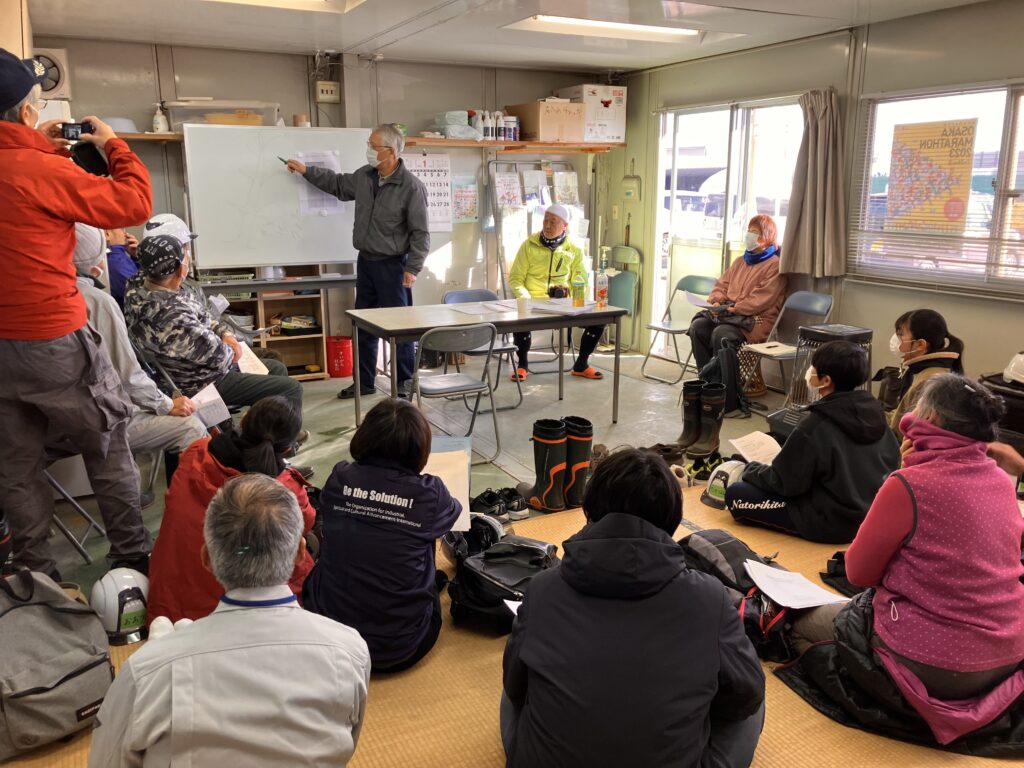
Safety training sessions are also conducted prior to work.
- Accepting for Training of 21 Fishing Village Residents Engaged in Mangrove Reforestation Projects in Ranong Province, Thailand
2024
- Abnormal occurrence of pine bark beetle
- Thinning Implementation (2016-2017 Planting Site/22.78 ha)
- Cumulative number of volunteers exceeded 15,000.
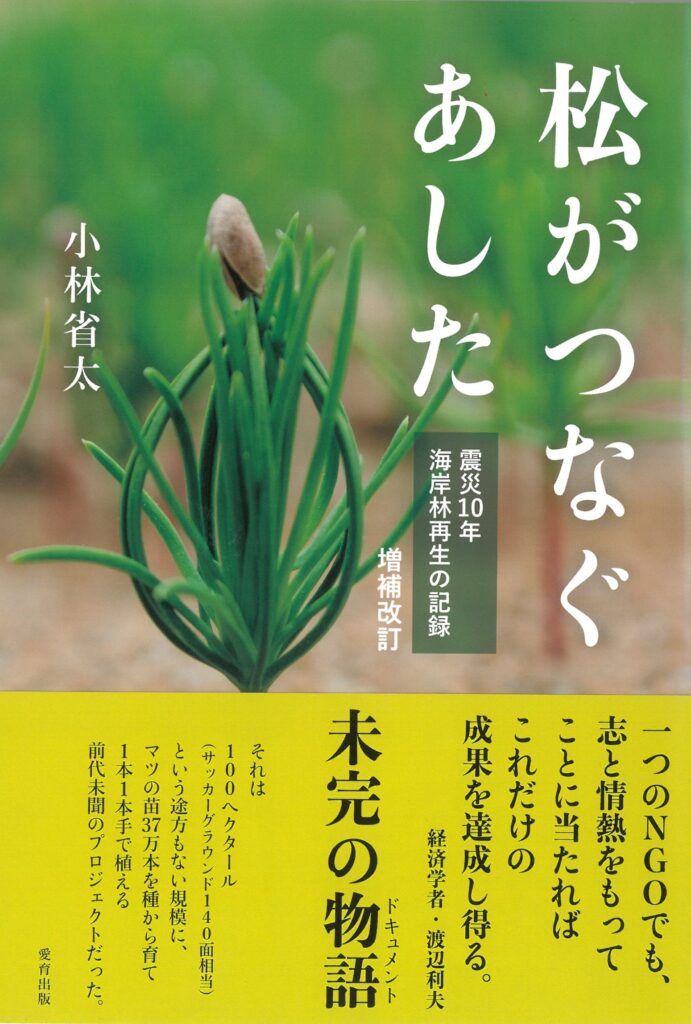
- The revised and expanded edition of the book “Matsu Ga Tsunagu Ashita” (Pine Trees Leading to Future Living) authored by Mr. Kobayashi Shota, Former Journalist of the Nihon Keizai Shimbun (NIKKEI) and presently OISCA Advisor, was published.
Activity Report Sessions Reached 300 times
Number of Participants Surpassed 45,000
2025
- Thinning Implementation (2018 Planting Site/16.1 ha)
- First round of thinning completed on 95% of all planting sites.
Annual volunteer numbers recovered to 1,276 people.
- First confirmation of pine wilt disease within the designation areas
Urgent countermeasures in collaboration with the government are required.
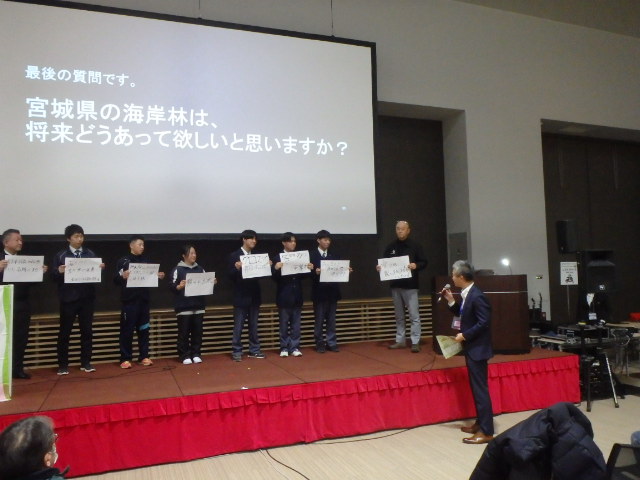
- Presentation on the Natori City Coastal Forest Restoration Project at the Sendai Disaster Prevention Forum.
- The National Tree-Raising Festival was held in Miyagi Prefecture in the presence of Their Imperial Highnesses Crown Prince and Princess Akishino
OISCA was awarded by Miyagi Prefecture for its meritorious service in afforestation.
After the functions, TIH Crown Prince and Crown Princess Akishino received a briefing
on the Coastal Forest Restoration Project by Mr. Koichi Sasaki, OISCA Natori Field Office Manager, and Ms. Nanaho, Asano, Deputy Manager of the OISCA Headquarters.
- The Japan Forestry Association’s journal “Mountain Forest” published a report titled “Challenge to Restore the Strongest Coastal Disaster Prevention Forest” (by Toshimichi Yoshida, OISCA Director in charge of the Project).
Total donations exceeded 1 billion yen (including grants)