
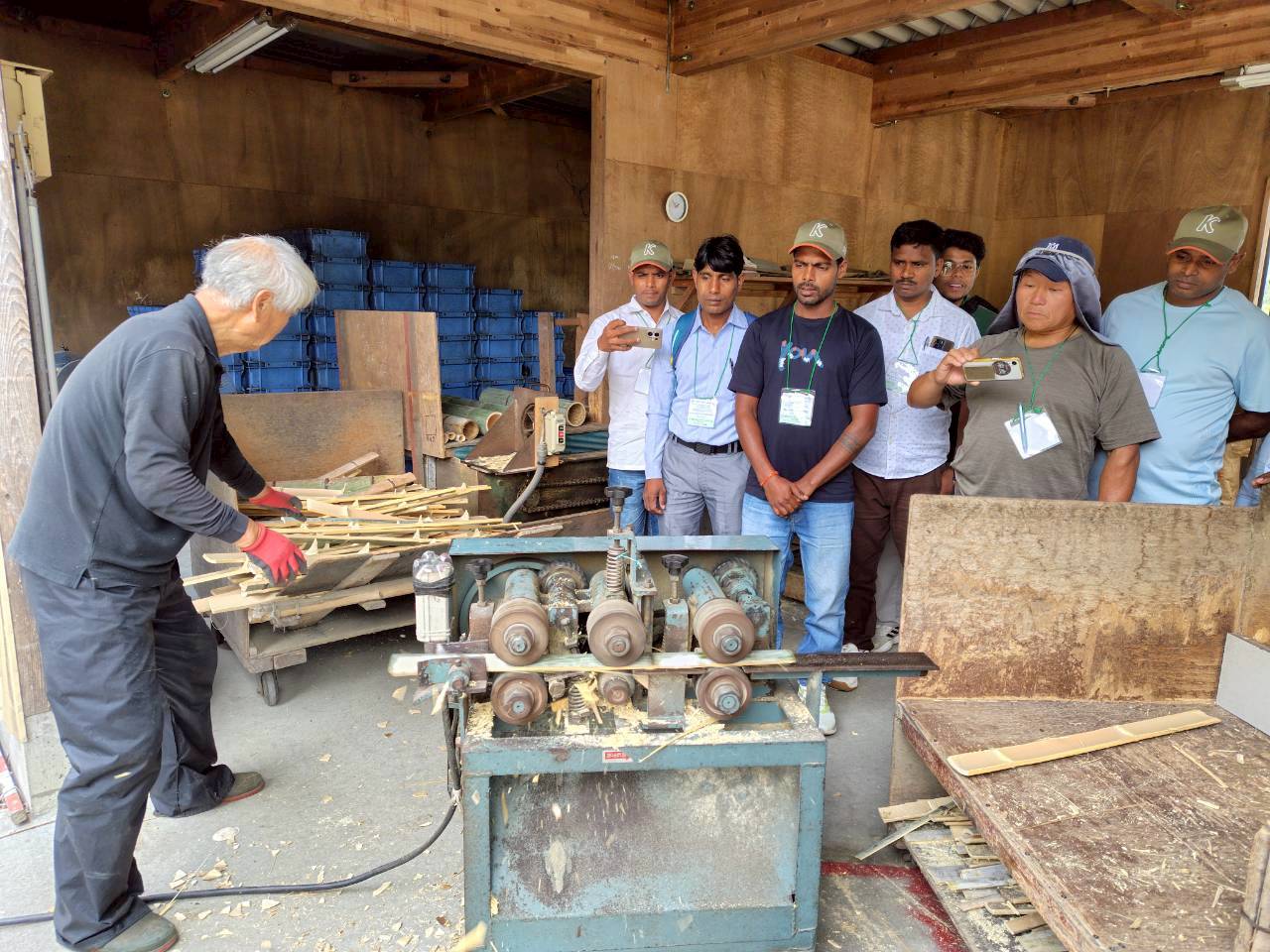
Visit to Indian Embassy in Tokyo
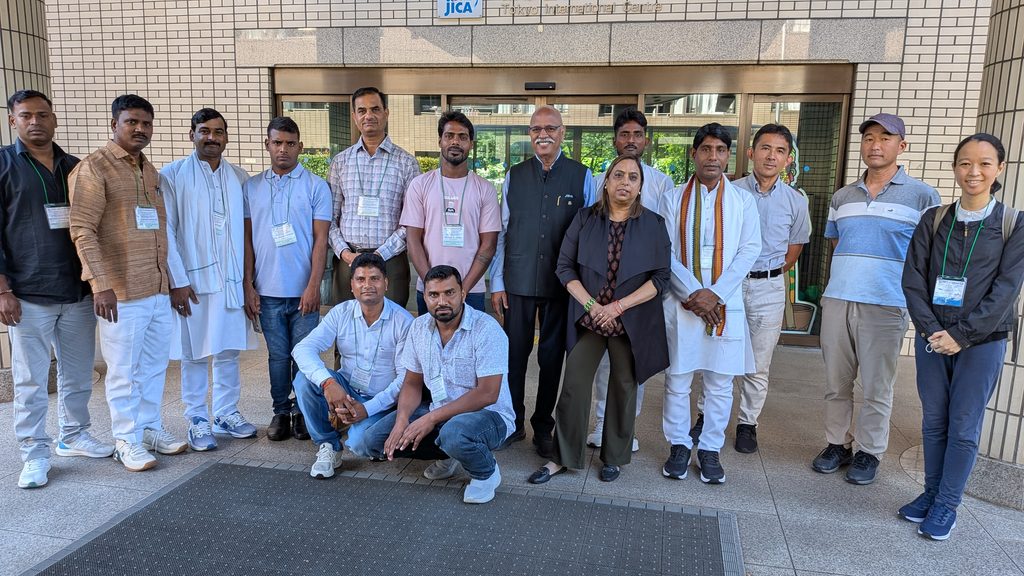
The farmers’ group met with H.E. Ms. Nagma M. Malick, Ambassador and Ms. Debjani Chakraban, Minister (Economic & Commerce). The OISCA side briefed on the “Project to Support Sustainable Livelihood Improvement through Symbiotic Agricultural Technology in the Ganges River Basin Villages”. We received a message of encouragement from the Ambassador.
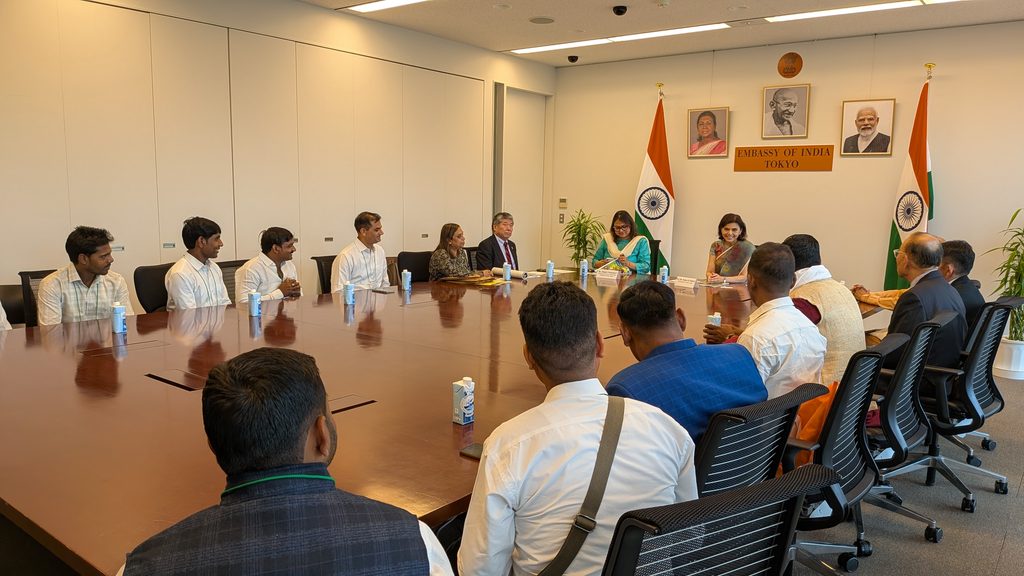
Visit to Yamanashi Prefectural Government Office
Meeting with Mr. Yoshiki Osada, Deputy Director-General of Forestry and Environment, and other senior staff. This observation tour in Yamanashi Prefecture was made possible thanks to the tremendous cooperation of the Yamanashi Prefectural Government, and we expressed our gratitude to them. Furthermore, since this delegation followed the signing of an agreement between Yamanashi Prefecture and the State of Uttar Pradesh in December 2024, we were warmly welcomed as a symbol of friendship.
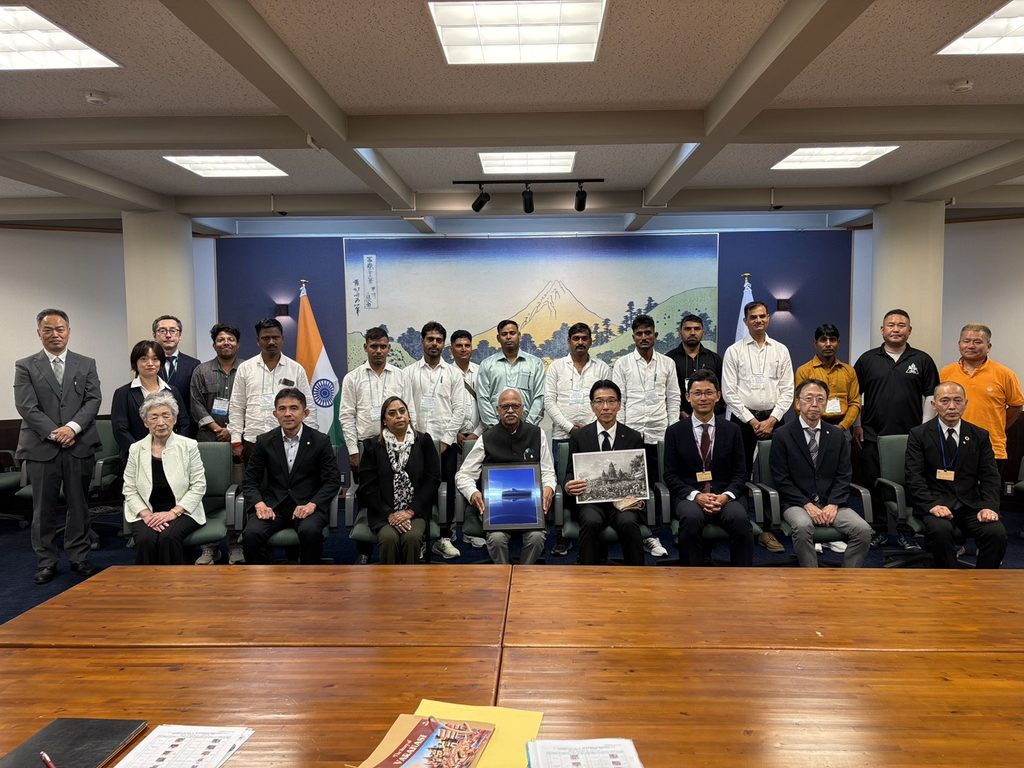
Visit to Kanegawa no Mori (Forest Park)in Yamanashi
In addition to learning about the history of flood-control forest development following a major flood, the role of protective forests, and the systems for agricultural water supply and flood control, the participants experienced forest environmental education and forest therapy. They deepened their understanding of the disaster-prevention functions and multifaceted values of forests, as well as how to create forests and villages where people and nature coexist in harmony.
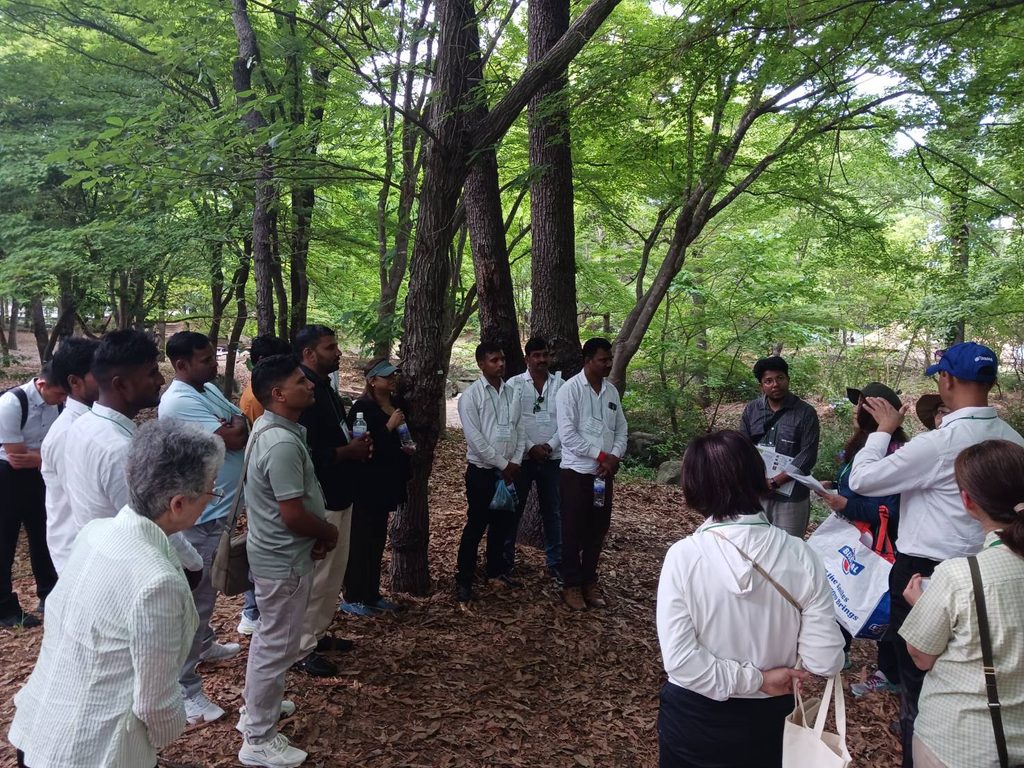
Visit to Keytech Yamanashi Factory (Yamanashi Prefecture)
The farmers’ group learned about the manufacturing process for plywood made from locally sourced timber, the effective utilization of timber resources, and distribution channels. They also deepened their understanding of labor-saving and efficient production systems, as well as the environmentally sound use of sustainable forest resources, and studied initiatives aimed at balancing environmental conservation with the development of local industries.
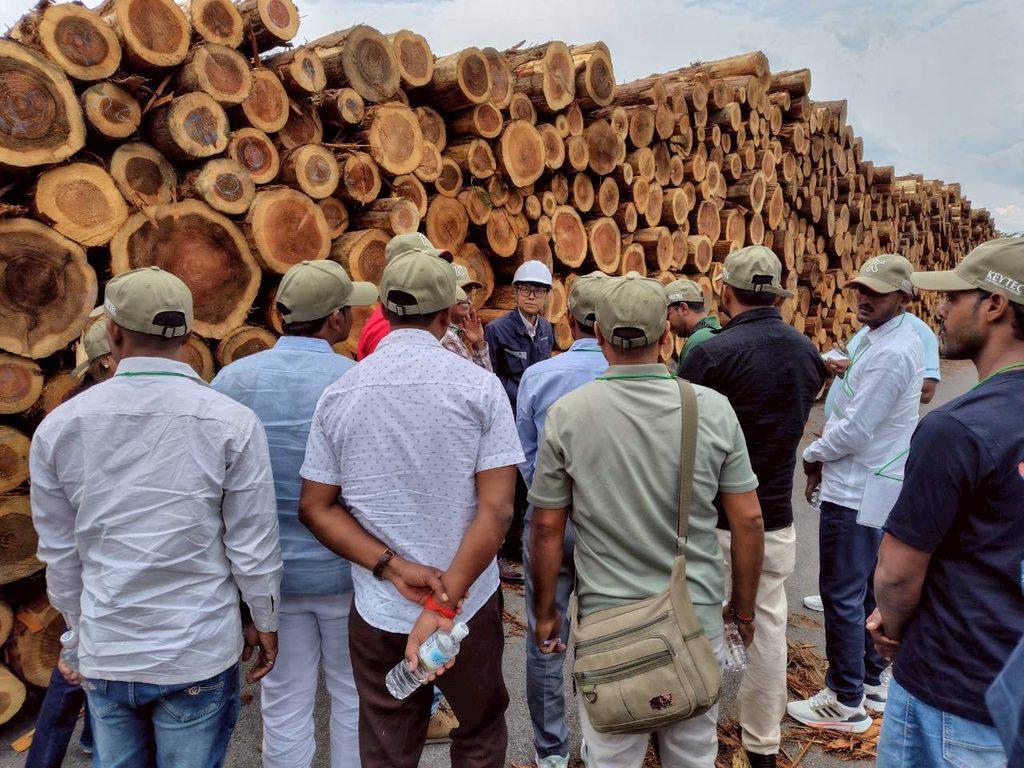
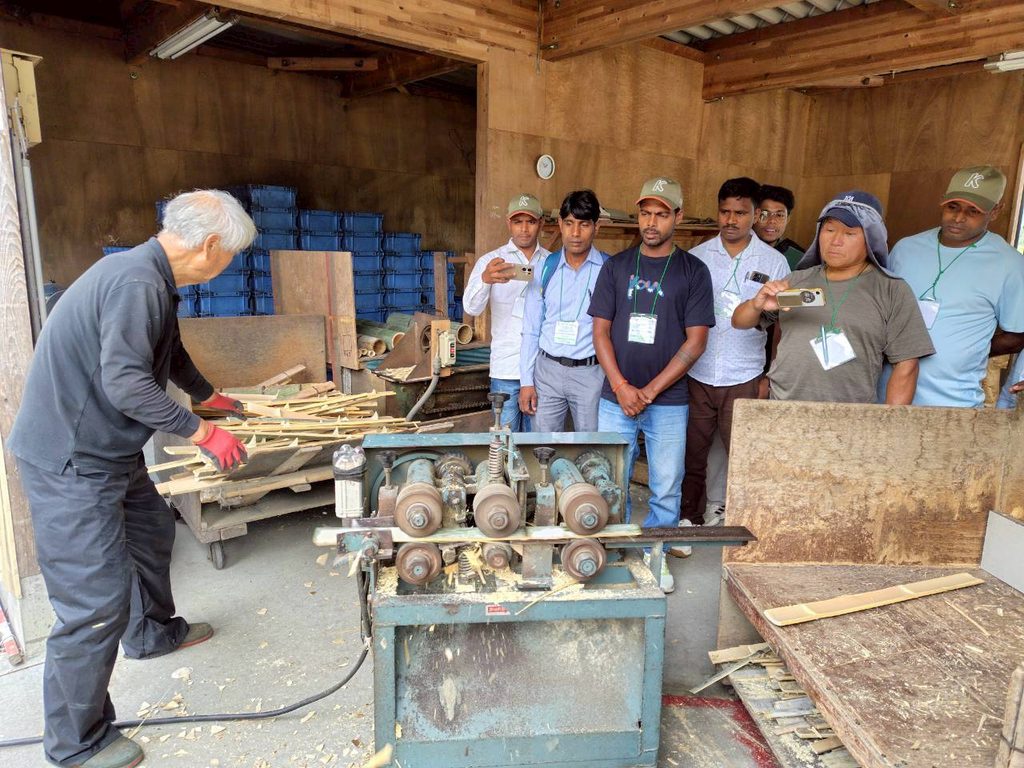
Visit to Minobu Bamboo Charcoal Cooperative in Yamanashi
About the manufacturing process and uses of bamboo charcoal. The Norht Indian group learned by observing the actual production site and toured facilities focusing on the effective use of bamboo resources and environmental initiatives. In addition to learning about the soil-improving effects of bamboo charcoal and its use in boosting agricultural productivity, they deepened their understanding of environmental conservation through the reduction of environmental impact and the management of neglected bamboo groves. They also learned about building sustainable communities by making the most of local resources.
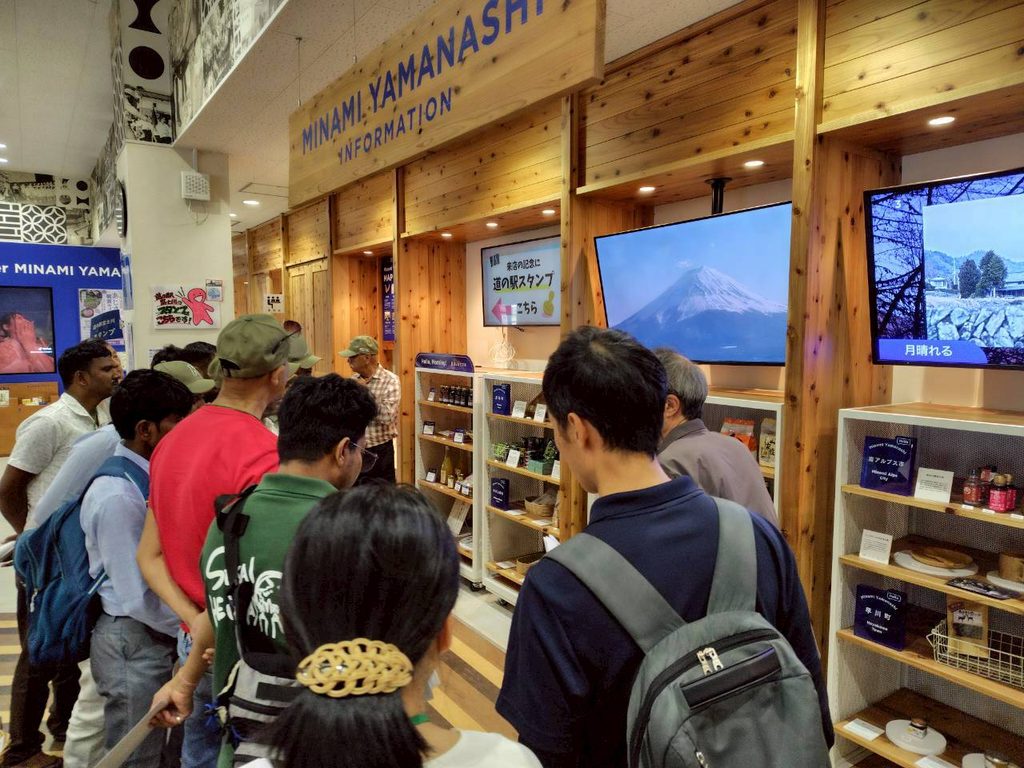
Roadside Station Fujikawa in Yamanashi
The farmers’ group learned about adding high value to local agricultural products through sales and processing, as well as management methods in collaboration with producers’ cooperatives.
In addition to its role as a hub for regional revitalization that connects producers and consumers, they deepened their understanding of its functions as a disaster preparedness hub and a relocation site for government administrative functions. They also learned about sustainable community development that utilizes local resources and approaches to regional disaster preparedness.
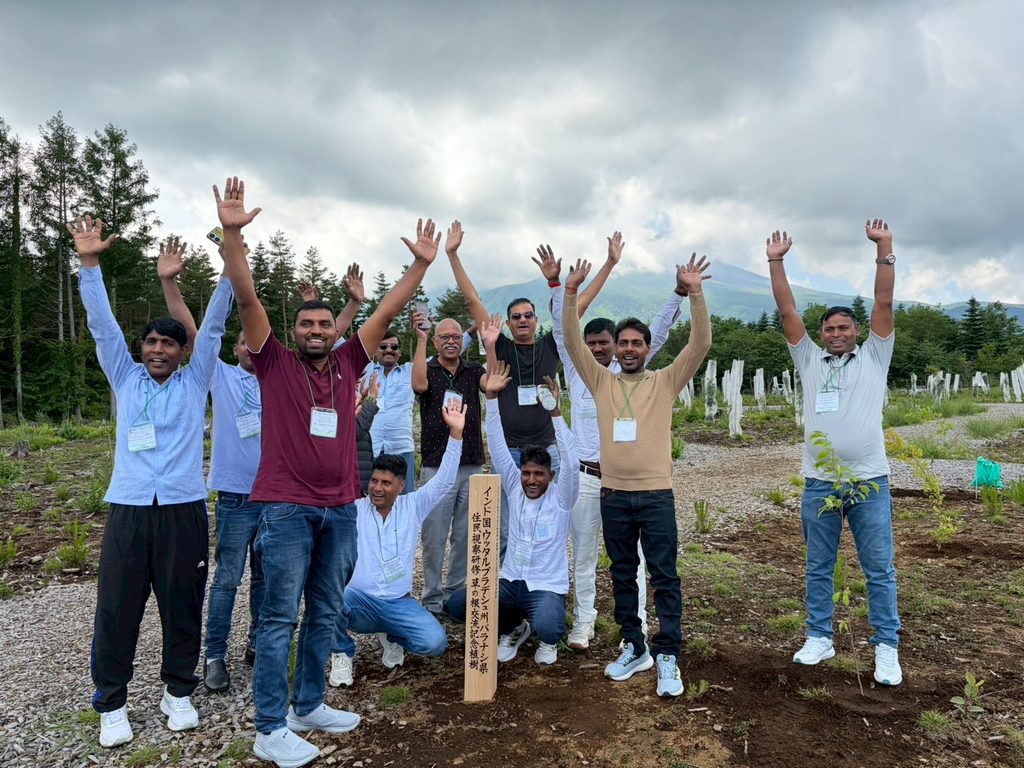
Commemorative Tree-planting Activities in “Forest of the World Yamanashi”
With the cooperation of the Yamanashi Prefecture Forestry and Environment Department, the North Indian Farmers’ group conducted a commemorative tree-planting ceremony at “Forests of the World Yamanashi,” located at the foot of Mount Fuji. This facility was established to promote international exchange and SDGs, and participants were able to take part in the tree-planting activity while experiencing the rich natural environment of Mount Fuji. The event served as a valuable opportunity to reaffirm the importance of forest conservation and to symbolize the friendship between Japan and India.
Observation of OISCA’s Project site of “Mt Fuji Restoration” (in Yamanashi)
They visited the “Mt. Fuji Restoration” project site, where OISCA is collaborating with a variety of organizations, including prefectural governments and companies, and observed the status of forest regeneration and afforestation management in the areas where selective thinning had been carried out in rows. They learned about the restoration of forests damaged by insect infestations and the creation of biodiverse forests through the use of various tree species. They also deepened their understanding of the challenges in forest conservation—such as responding to pests, diseases, and wildlife damage, as well as post-planting forest nurturing and management—and the importance of ongoing efforts in this area. In addition, they learned about the significance of various stakeholders collaborating to promote forest restoration activities.
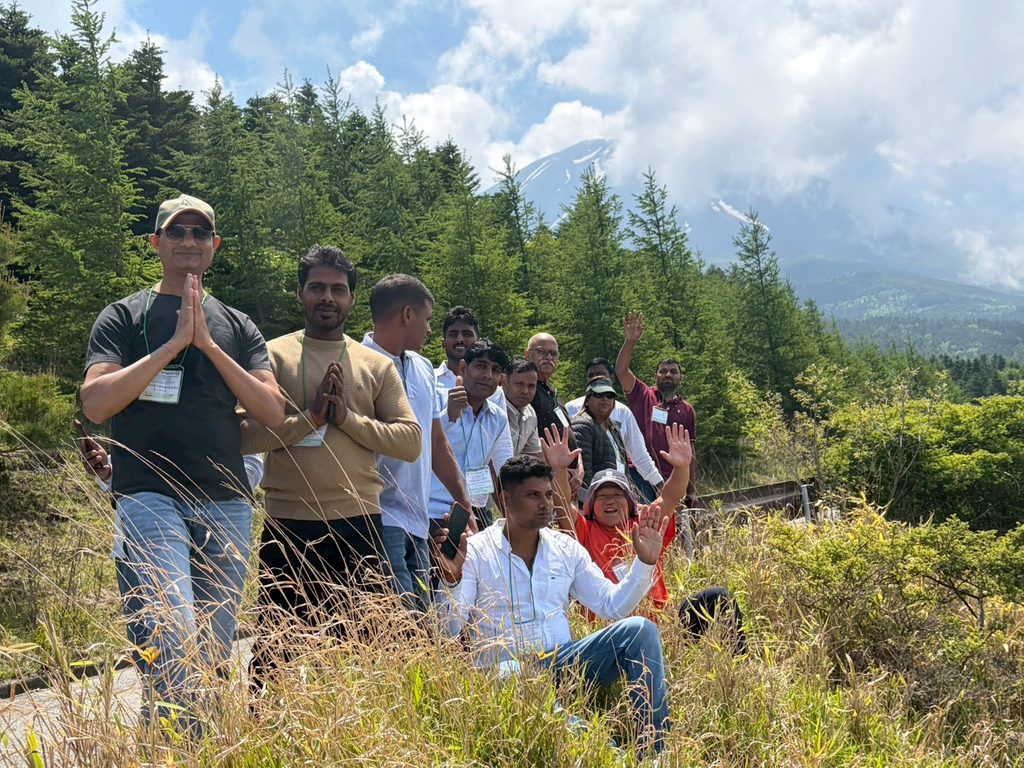
OISCA Chubu Nippon Training Center in Aichi Prefecture
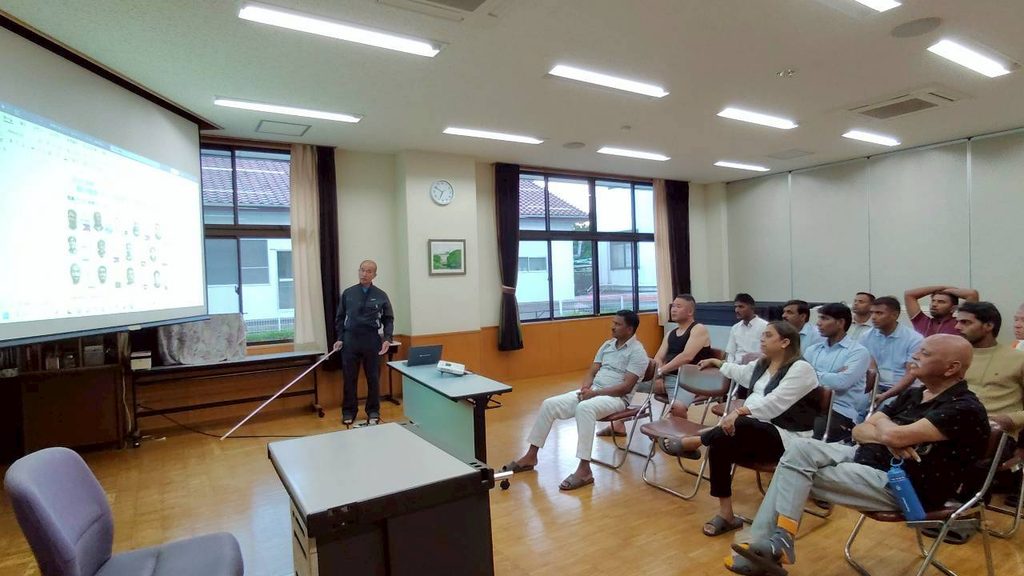
They learned about initiatives related to environmentally friendly agriculture and human resource development. They toured facilities such as training fields and orchards, deepening their understanding of organic farming as practiced by expert instructors. They also observed trainees from various Asian countries learning Japanese, agricultural techniques, and community development, and gained insight into international cooperation efforts aimed at developing individuals who will go on to play active roles as local leaders after completing the training program.
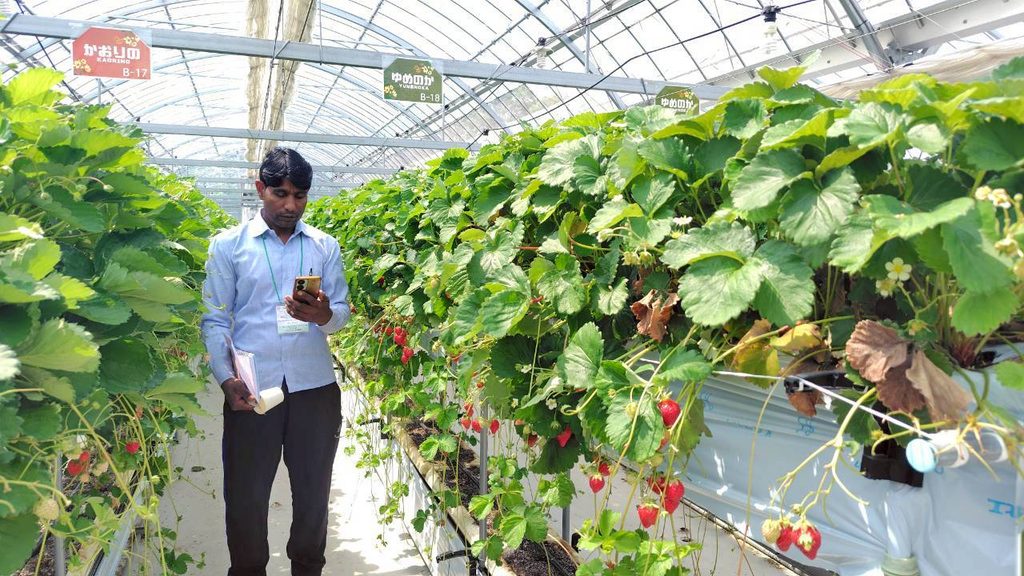
Strawberry Park Mifune (in Aichi Prefecture)
They learned about strawberry cultivation using elevated beds and the operation of tourist farms. They deepened their understanding of initiatives to increase revenue by combining production, sales, and hands-on experiences, as well as environmentally sustainable agriculture that utilizes cutting-edge technology. They also gained valuable insights into examples of companies entering the agricultural sector with the aim of contributing locally.
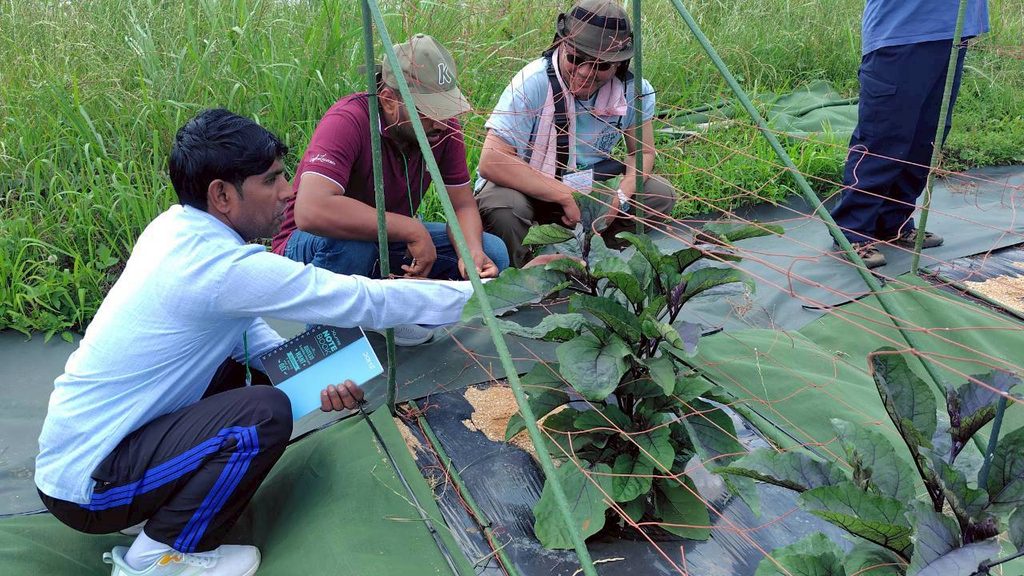
Iida Farm · Peach Orchard (in Aichi Prefecture)
They learned about natural farming, which harnesses the power of nature without relying on conventional agriculture or chemical fertilizers. They deepened their understanding of labor-saving agricultural methods—such as no-till farming and the use of green manure—as well as the development of varieties suited to the local environment through in-house breeding. They also learned about initiatives to improve crop varieties and yields based on plant physiology. They gained valuable insights from these practical examples of sustainable agriculture with minimal environmental impact.
They also visited the peach orchard to learn about Japanese fruit tree cultivation techniques. They deepened their understanding of effective field preparation and systematic cultivation management methods and learned about initiatives aimed at consistently producing high-quality fruit.
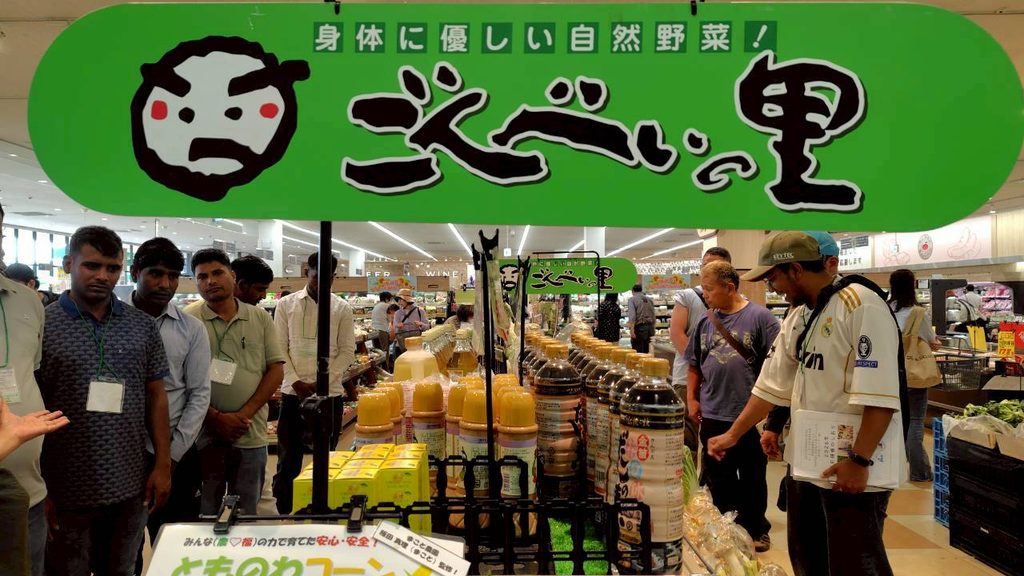
Supermarket Yamanobu Shigo Store · JA Aichi Toyota Agricultural Promotion Division Farmers’ Market (in Aichi Prefecture)
They learned about the distribution and sales systems for agricultural products in collaboration with contract farmers and local producers. They deepened their understanding of initiatives to enhance added value through quality control and branding and learned about the measures taken to deliver safe and reliable agricultural products to consumers.
They learned about the mechanisms through which agricultural cooperatives (JA) support farmers and sell agricultural products. They deepened their understanding of the role JA plays in supporting local agriculture through technical guidance, the provision of materials, and the operation of direct-sales outlets.
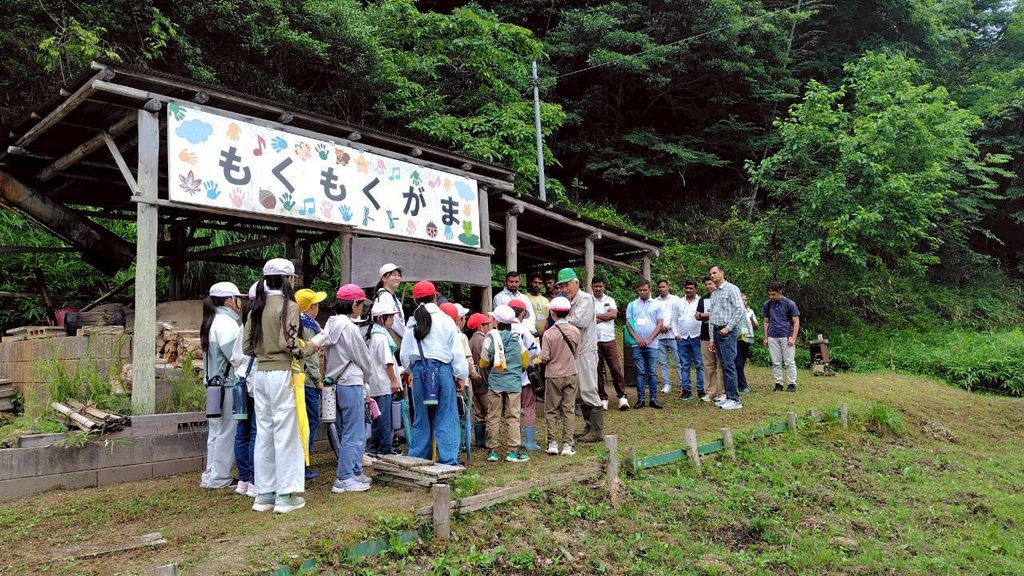
Visit to Kamitakami Primary School in Aichi Prefecture
They gained a deeper understanding of hands-on environmental education activities—such as making bamboo charcoal and surveying wildlife using biotopes—that allow children to learn about the environment while interacting with nature. They also studied examples of schools and local communities collaborating to raise awareness of environmental conservation.
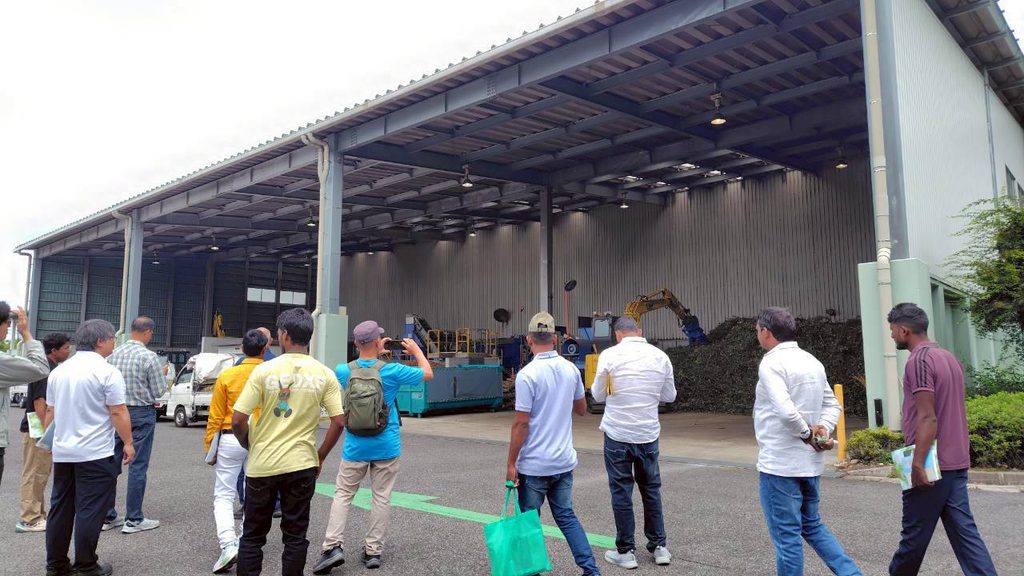
Visit to Toyota City “Midorino Recycling Center” in Aichi Prefecture
They learned about initiatives to recycle organic waste—such as grass clippings, pruning trimmings, and food scraps—into compost. They gained a deeper understanding of how composting plants contribute to resources and environmental management, as well as the use and sale of compost. They also gained a deeper understanding of Japan’s approach to waste management and the creation of an eco-friendly society, which successfully balances waste reduction with environmental conservation.
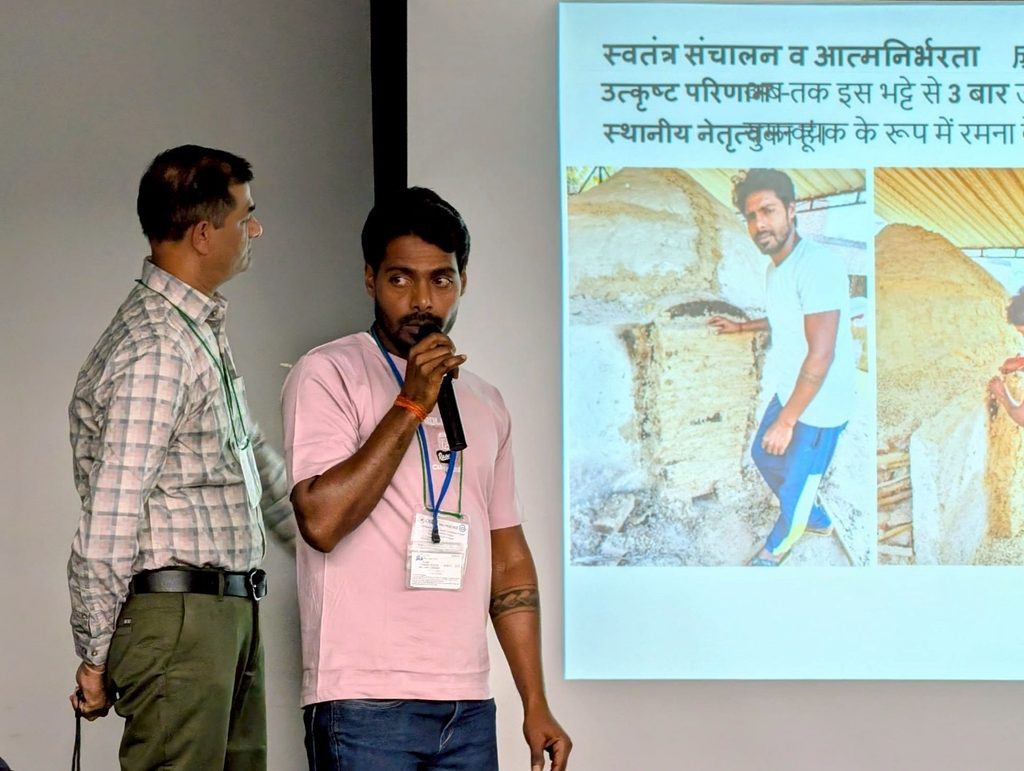
Review of Training, Planning, and Debriefing Session (Tokyo)
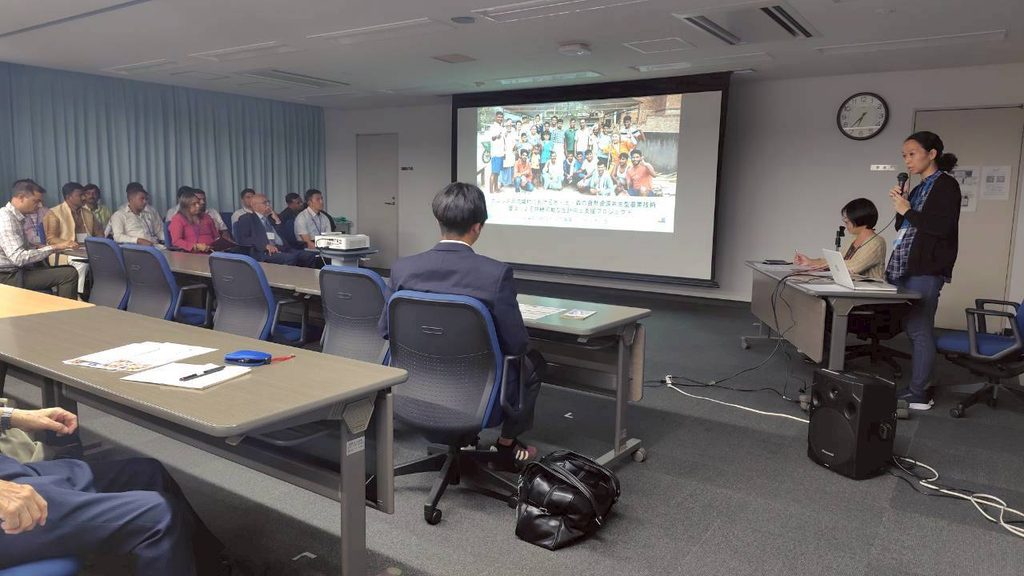
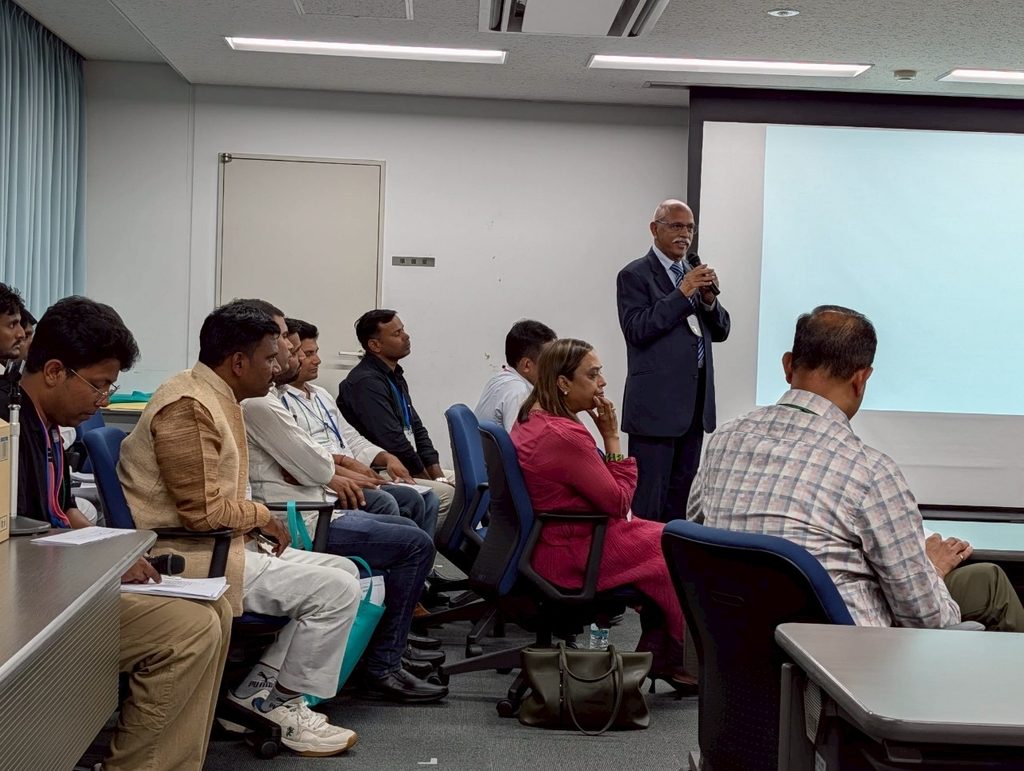
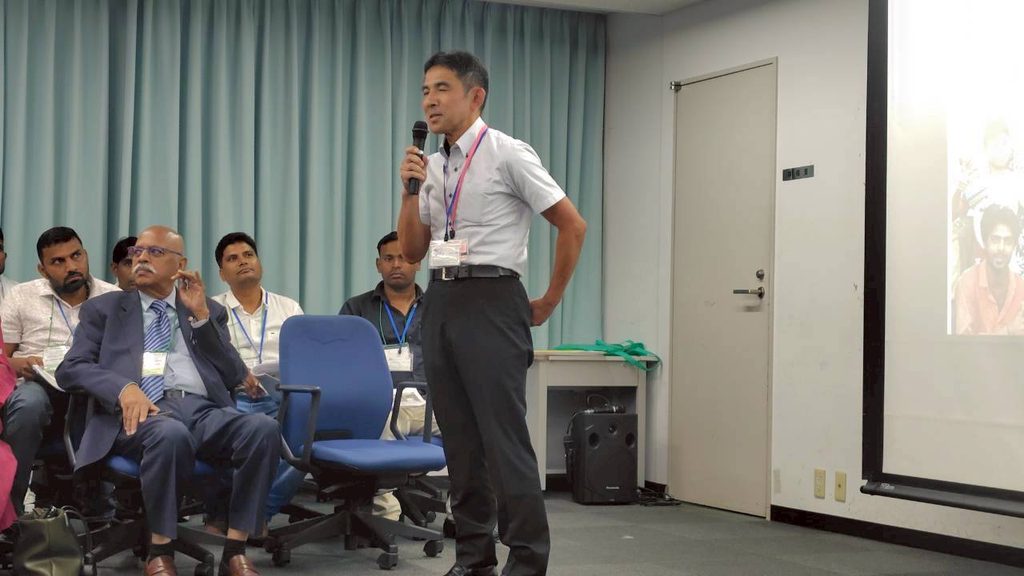
The participants shared what they had learned during the training and the initiatives they wanted to undertake in their own villages; they then held discussions within their respective villages and drew up future plans.
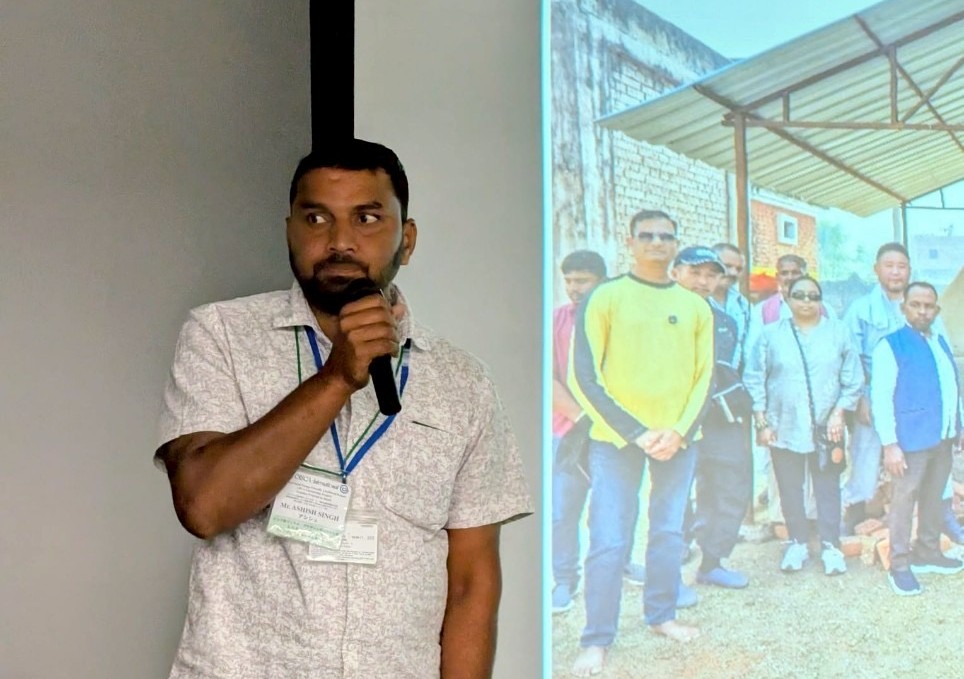
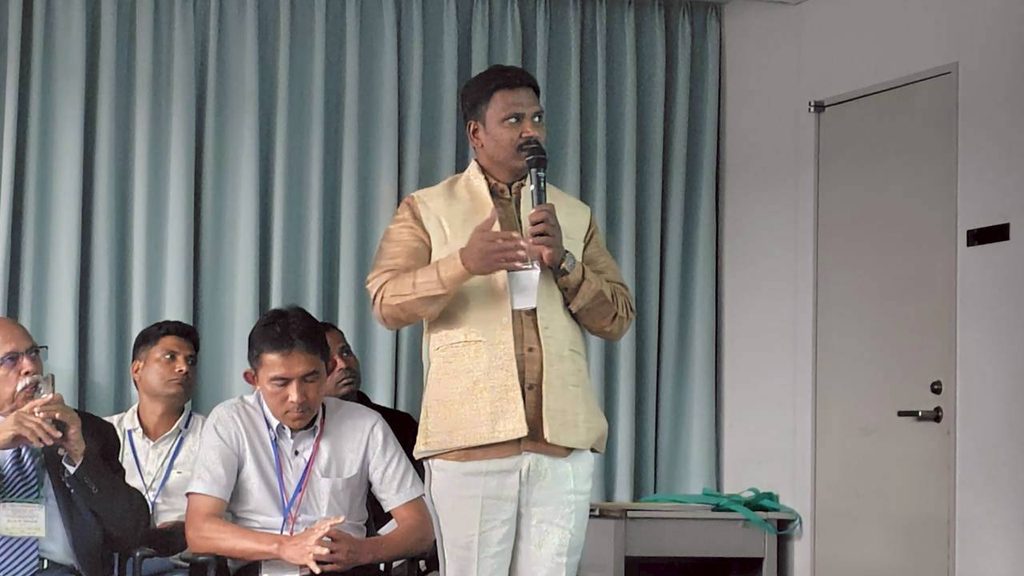
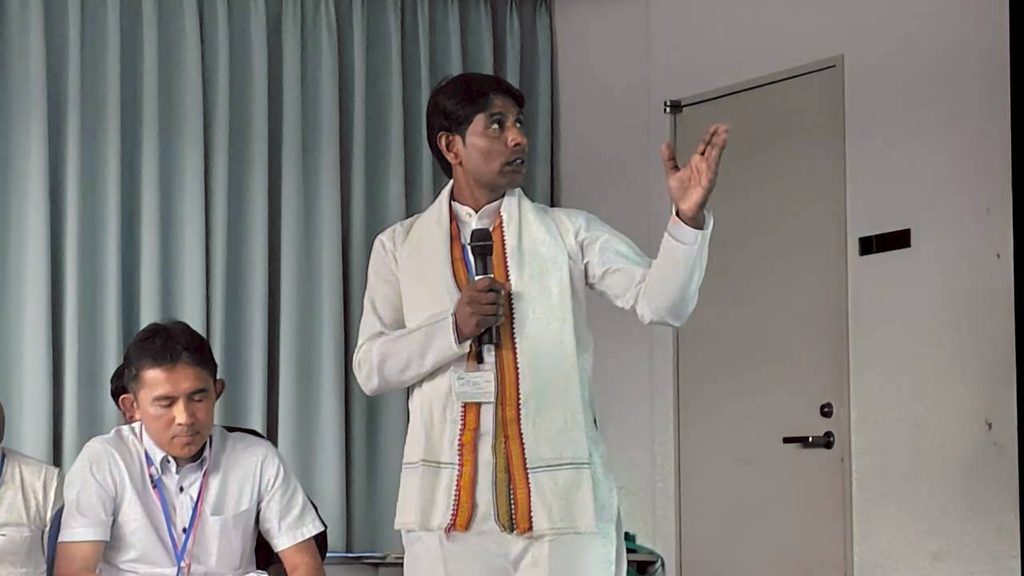
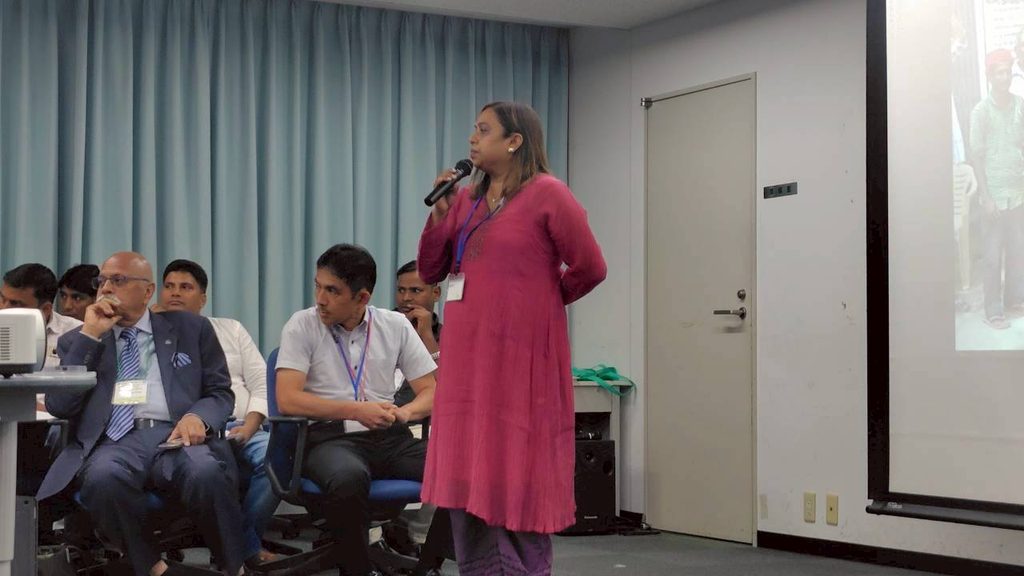
Participants’ Impressions and Aspirations:
(Ramna Village)
We learned about environmentally conscious farming in Japan, as well as the importance of cleanliness and observing rules. We believe that Japan’s trees and natural environment are carefully managed and protected by its people, and that the natural environment is kept clean, serving as a good example for future generations.
We hope to apply what we learned in Japan to our daily lives, our fields, and our farming, and to share this knowledge with others. Particularly, we would like to incorporate practices that will lead to future development and improvement.
We are committed to farming using natural farming methods and bamboo charcoal, with the goal of improving our soil while also enhancing our quality of life and health.
(Mustafabad Village)
During this training program, we learned that people in Japan have a very strong awareness of environmental conservation.
We also learned about various initiatives to protect the environment, such as forest conservation, recycling, and the use of bamboo charcoal. We felt that these activities contribute not only to the development of global society but also to improving people’s lives.
After returning home, we would like to plant fruit trees and other trees in our village and carry out activities that prioritize living in harmony with nature. Furthermore, we hope to share what we learned during this trip with the villagers and use this knowledge to promote environmental conservation efforts and the use of bamboo charcoal.
(Chadpur Village)
Through this training program, we learned that people in Japan work together in a spirit of cooperation. We felt that the Japanese lead orderly lives, are punctual, and respect one another. We also observed that the environment is kept clean and that they value nature and natural resources.
We hope to adopt these positive practices in our village to raise awareness among our community members and contribute to the development of our region. We also hope to share what we learned about agriculture and other activities with the people in our village and community so that they can put this knowledge to good use.
Initiatives Following Their Return to India (1)
Ramna Village Mustafabad Village Chadpur Village
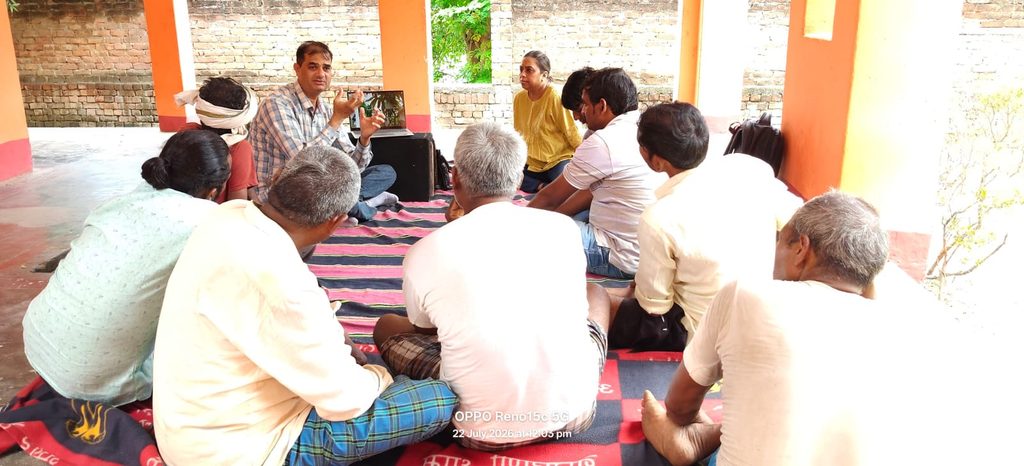
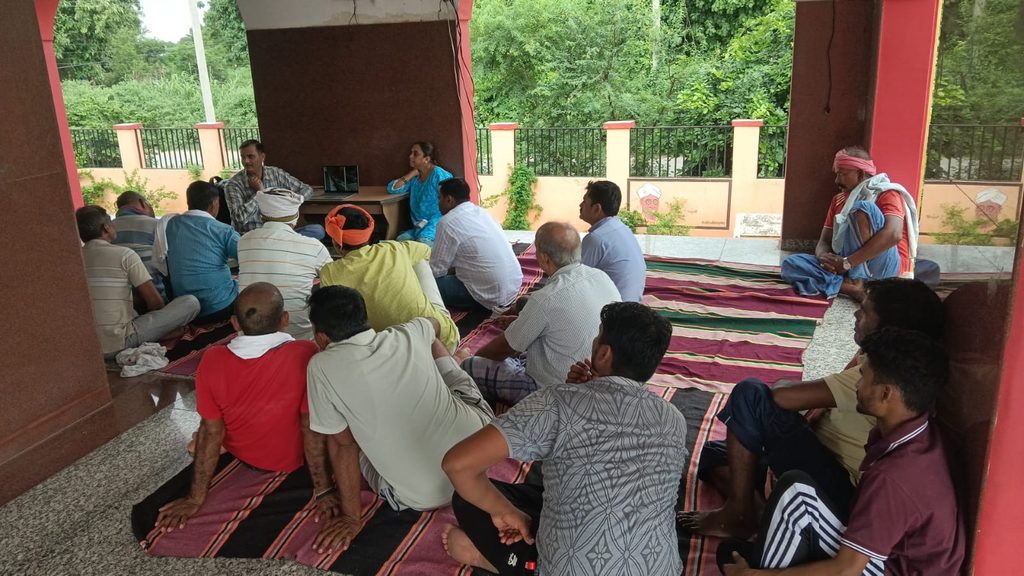
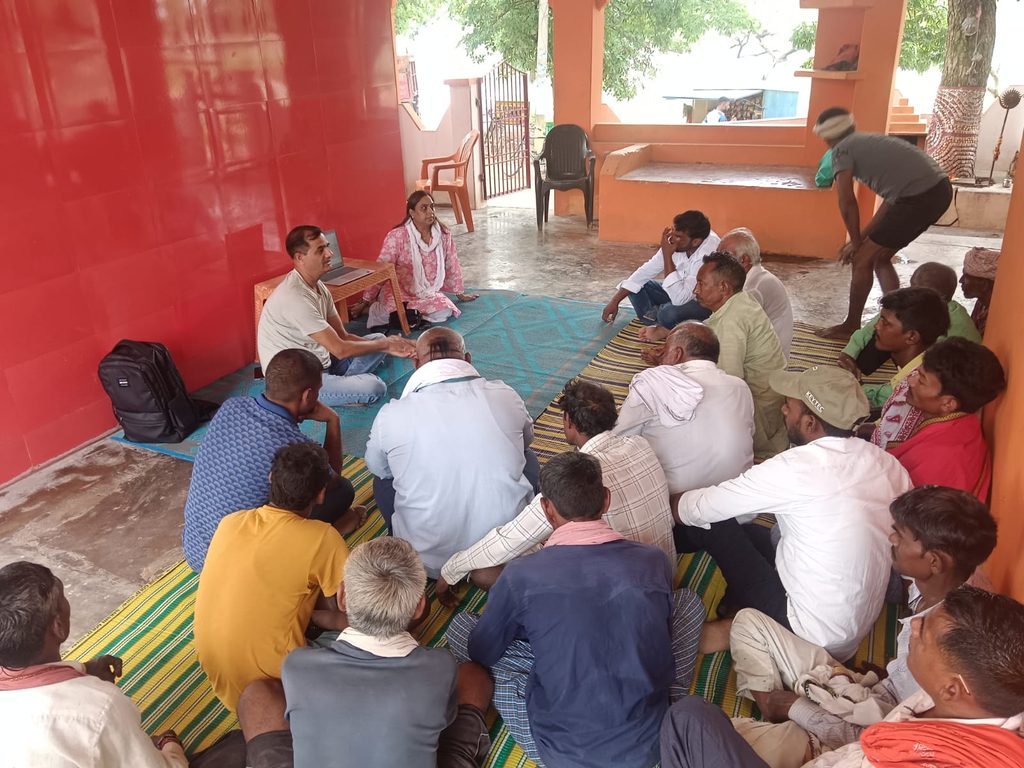
Initiatives Following Their Return to India (2)
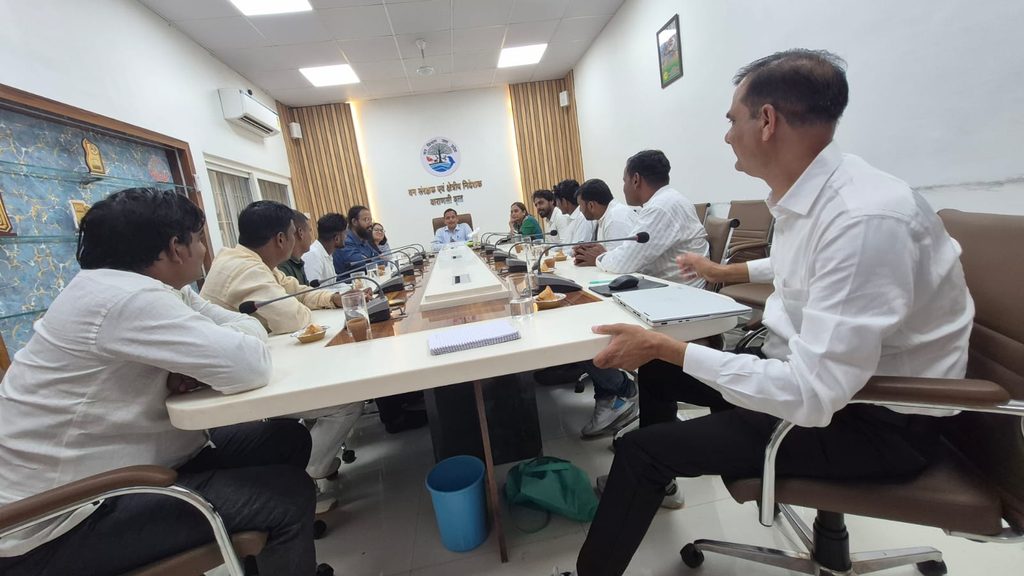
Report on the Study Tour to Japan Conducted to the Director-General of the Forestry Bureau of Varanasi District
Mr. Ravi Kumar Singh, Director-General of the Forestry Bureau, encouraged each training participant to share their experiences from the study tour in Japan and urged them to share what they had learned in Japan with their local communities and, if possible, to put it into practice.
Initiatives Since Returning Home (3)
Voluntary Outreach to Local School by Participant in the Japan Study Program
Mr. Sanjay Patel of Ramna Village reached out to the school in his village to introduce a waste management program and urged the children to dispose of trash—especially candy wrappers—in the designated trash containers.