The main office of OISCA Thailand Chapter is located in the capital city of Bangkok. The Chairman of OISCA Thailand is Mr. Ari Chuanagulia, and he is assisted by Mr. Prayat Savangsookh, Secretary General, Ms. Tomomi Kasuga, OISCA Resident Representative in Thailand, and two other lady staff. In addition, seven field staff members are working at sites throughout Thailand.
At present, OISCA Thailand is carrying out its activities in the Children’s Forest Program (CFP), capacity building, rural community development, and environmental restoration. Specifically, they are conducting projects in the following four major regions of the country.
- Environmental Restoration Project in Northern Thailand
This project, targeting three villages in Chiang Rai Province, was implemented over a three-year period starting in 2016 with the aim of promoting forest conservation, raising public awareness, and improving livelihoods, supported by grant assistance from Japan’s Ministry of Foreign Affairs for Japanese NGO projects.
They carried out afforestation on a total of 25.6 hectares as part of their forest restoration efforts. Thanks to expert guidance and careful replanting and maintenance, they achieved an average survival rate of 85%.
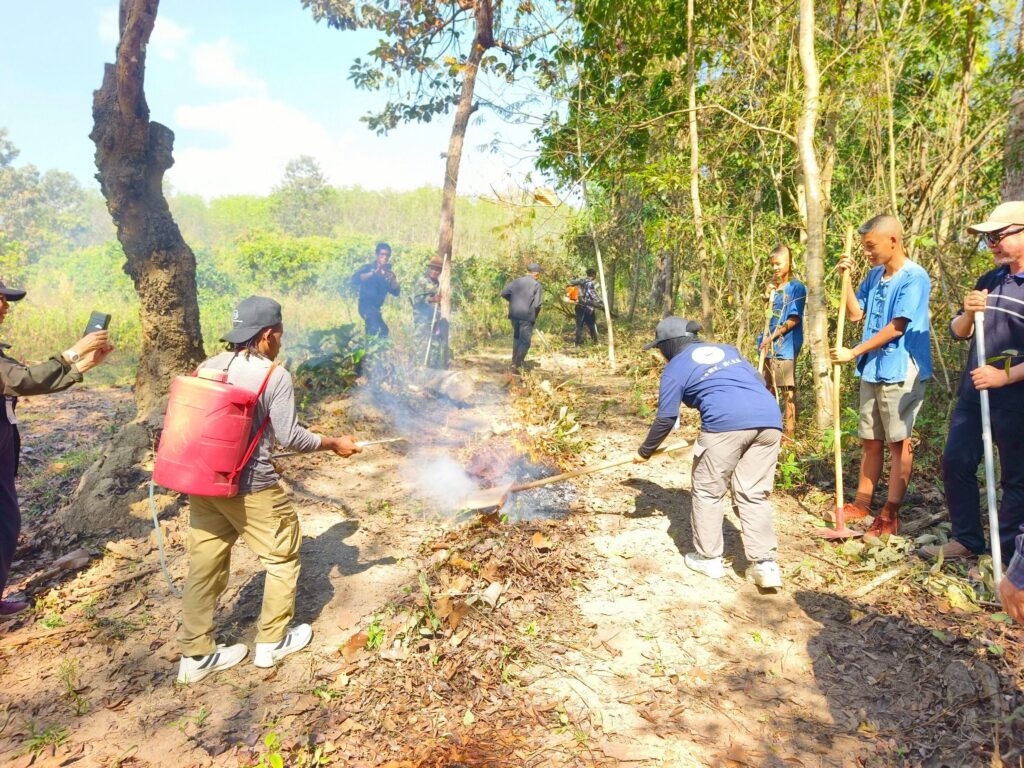
The current problem is that frequent wildfires are causing severe air pollution. Slash-and-burn farming is cited as the main cause of these wildfires. (The Thai government has banned slash-and-burn farming.)
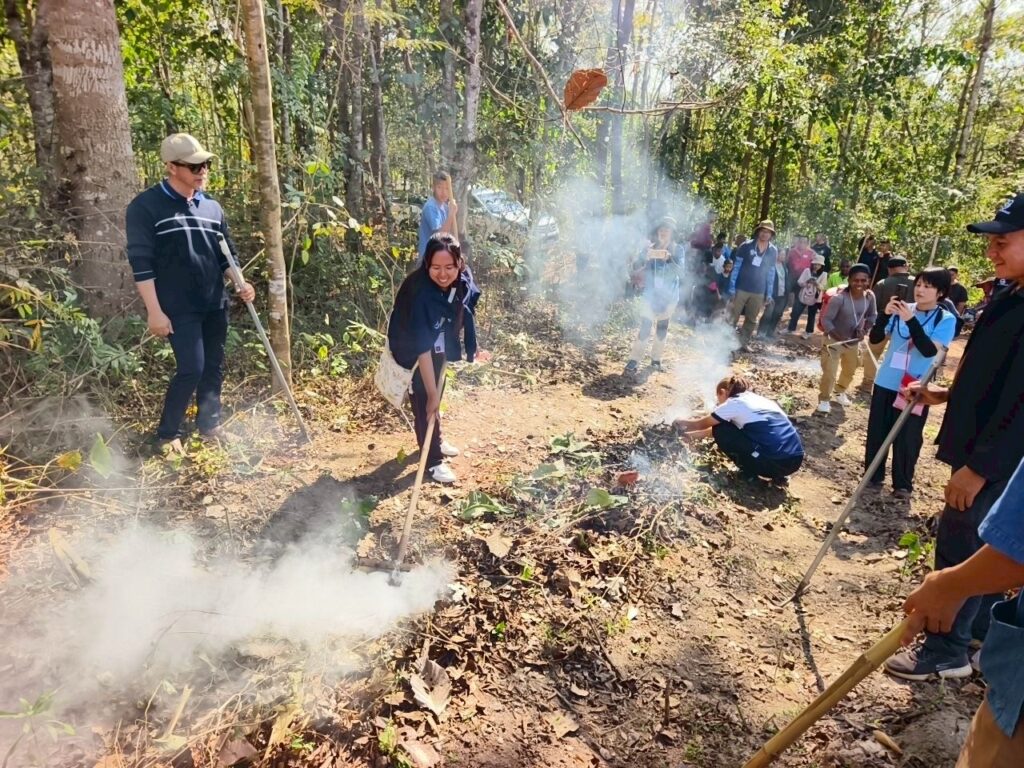
To address the occurrence of wildfires, stakeholders in the project are establishing firebreaks and conducting fire prevention drills for local residents.
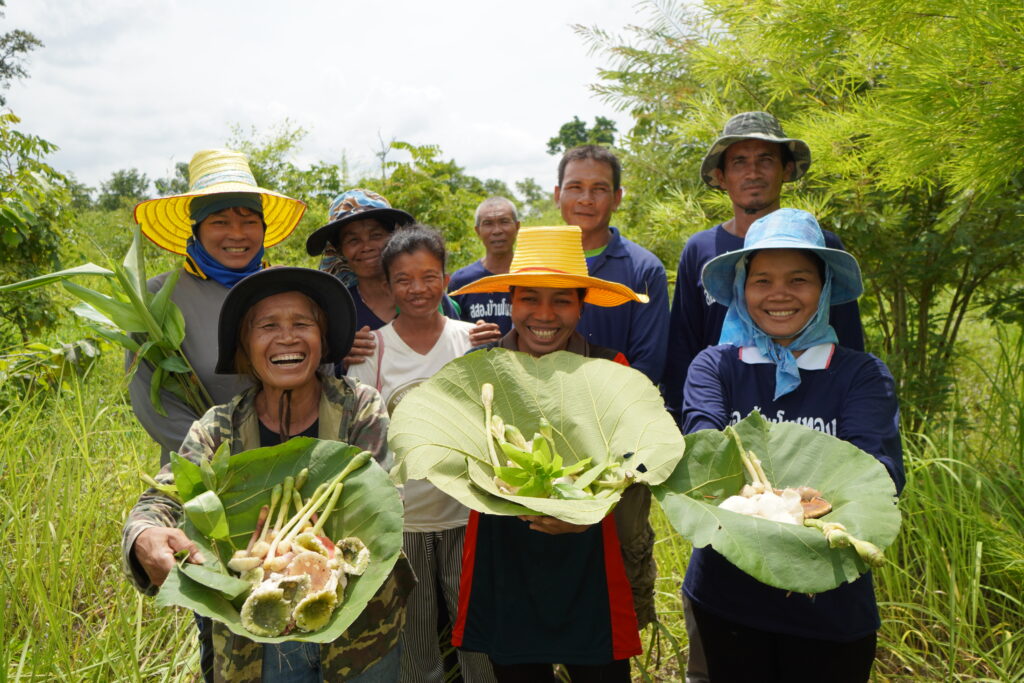
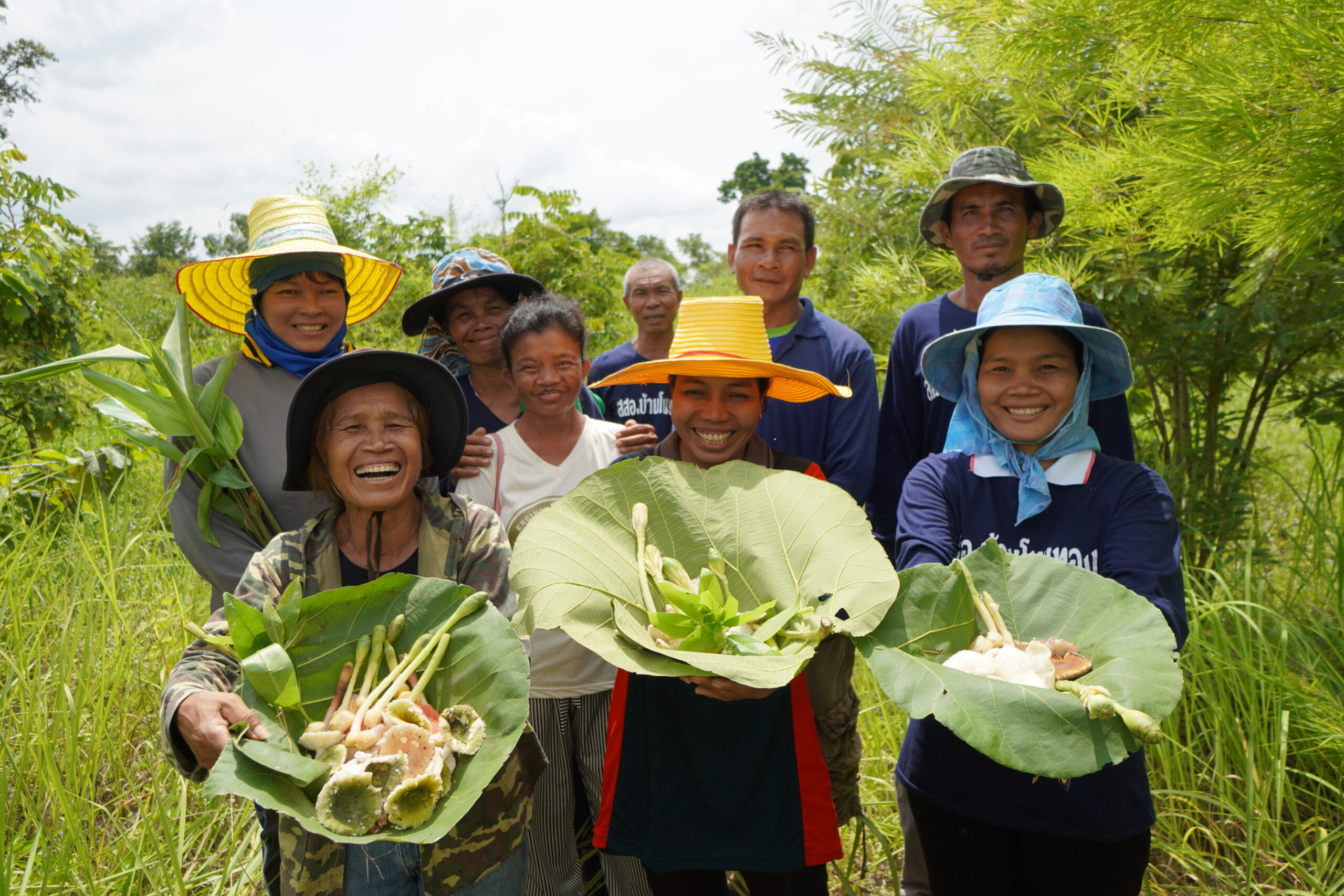
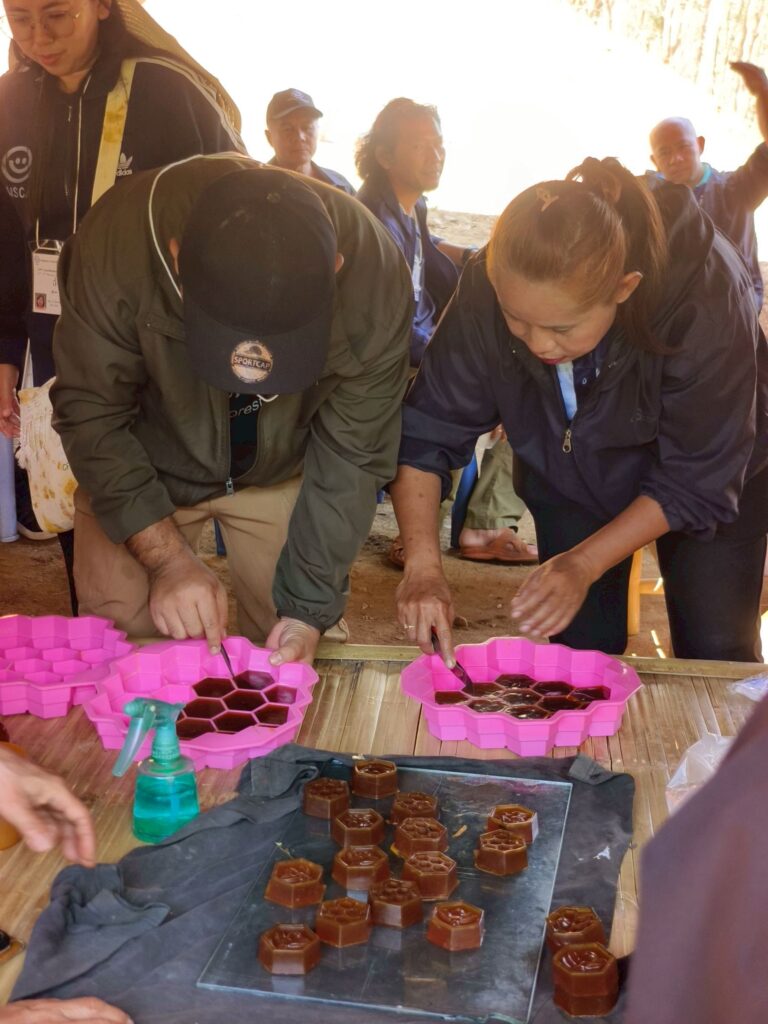
To improve livelihoods, each group of villagers engages in beekeeping, pig farming, wild vegetable cultivation, fish farming, and cattle raising, as well as the processing and sale of their products, such as honey and fish.
(Pig farming has been temporarily suspended due to an outbreak of swine streptococcus.)
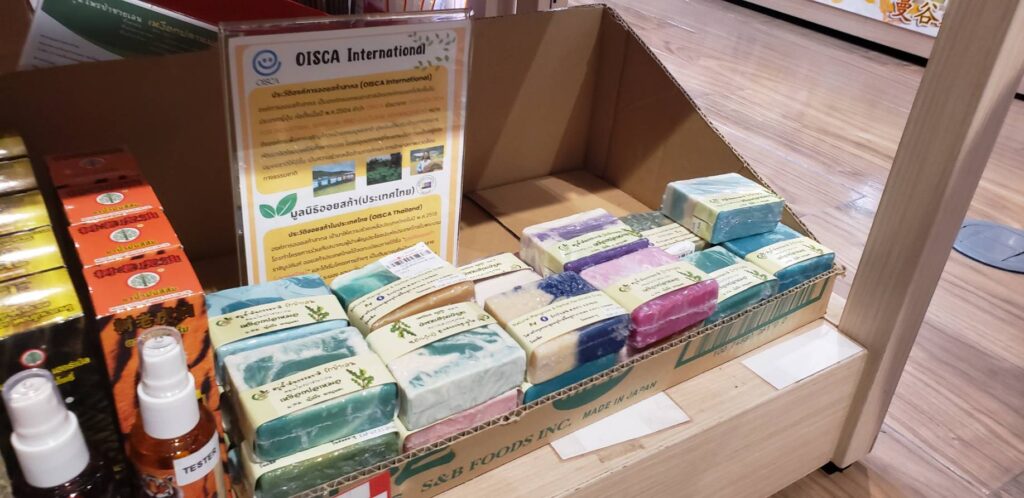
Furthermore, even after the project period ended and the financial support through the grant assistance for the NGO project was terminated, the village residents have continued to operate their respective initiatives by reinvesting a portion of their revenue, thereby contributing significantly to the steady increase in their incomes. For example, honey and other products are on sale at Siam Takashimaya Department Store in Bangkok.
Meanwhile, Thai Ministry of Foreign Affairs presented in September 2025,
donation amounting to 500,00 Baht (about US$ 15,257) to OISCA Thailand Chapter in support of the Environment Restoration and Community Development Project in Chiang Rai Province. The project is designed for carrying out tree-planting and post-planting maintenance activities over 4 hectares of site from 2025 to 2028. The year 2027 will mark the 140th anniversary of the diplomatic relations between Japan and Thailand, and the project is expected to be implemented as a commemorative event.
Moreover, in November 2025, the Thai Embassy in Japan donated \970,000 for supporting OISCA’s Environment Restoration and Community Development Project in Chiang Rai Province. Together with the earlier donation by the Thai Foreign Ministry, this donation will be utilized for the project to be carried out in Chiang Rai Province, Northern Thailand.
In mid-February this year, OISCA International Workshop was held in Chiang Rai, and some 20 people from 9 countries of the Asia-Pacific region participated in the event.
The participants in this workshop are those who serve as CFP coordinators in their respective countries. They visited local CFP practicing schools and conducted on-site observations of the project activities of the local residents.
2. Mangrove Reforestation in Ranong Province, Southern Thailand
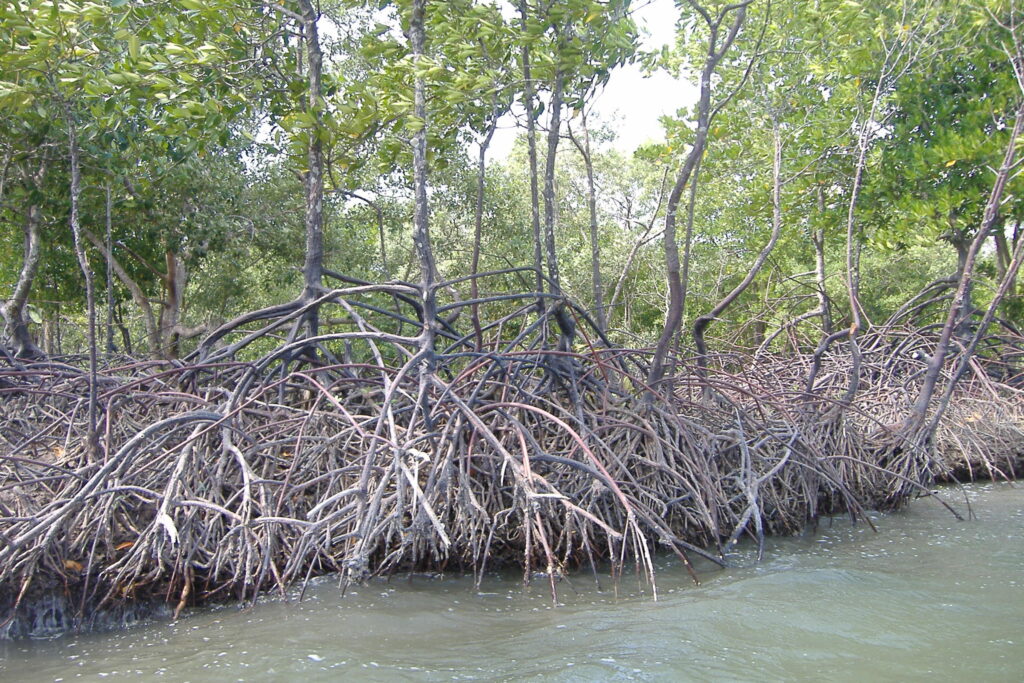
Ranong Province is located on the coastal area of the Andaman Sea. For the people of Ranong, who live right by the sea, mangrove forests are a vital resource that protects them from tsunami damage and provides them with a bounty of crabs, shrimp, and other seafood.
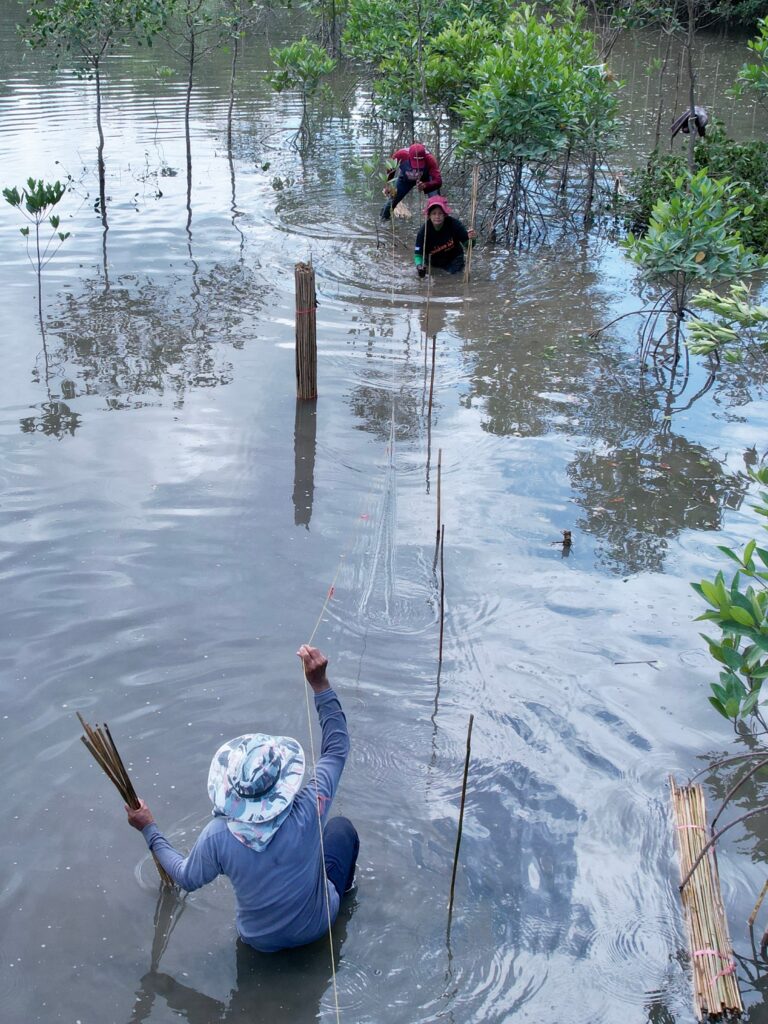
Although the mangrove forest was being cleared for conversion into aquaculture farms and other purposes, a reforestation project was launched since 1999 in cooperation with the Thai Government, Ranong provincial government agencies as well as with donations from many Japanese private companies such as Tokio Marine & Nichido Fire Insurance and individual members. Support for these activities is growing not only among Japanese companies and organizations but also among private companies and organizations within Thailand, creating a powerful wave of support.
From 2021, OISCA decided to move from the project that focused on afforestation to the second stage that aims to further improve the livelihood of people living with mangrove forests with the support of grant assistance for Japanese NGO projects of the Japanese Ministry of Foreign Affairs.
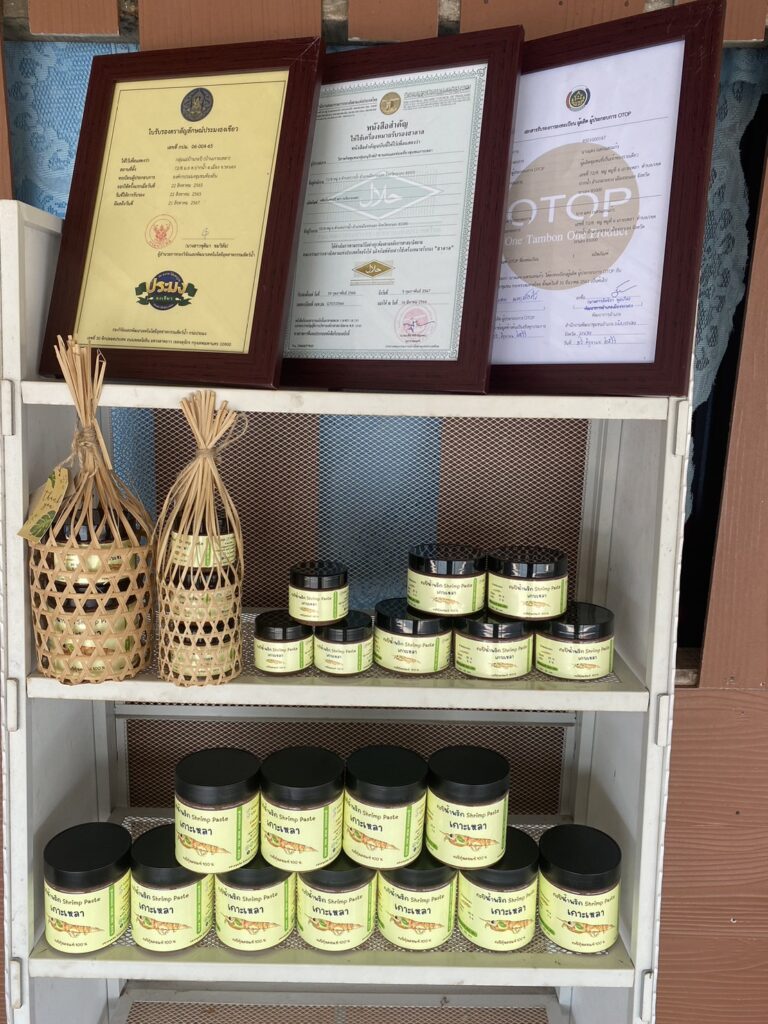
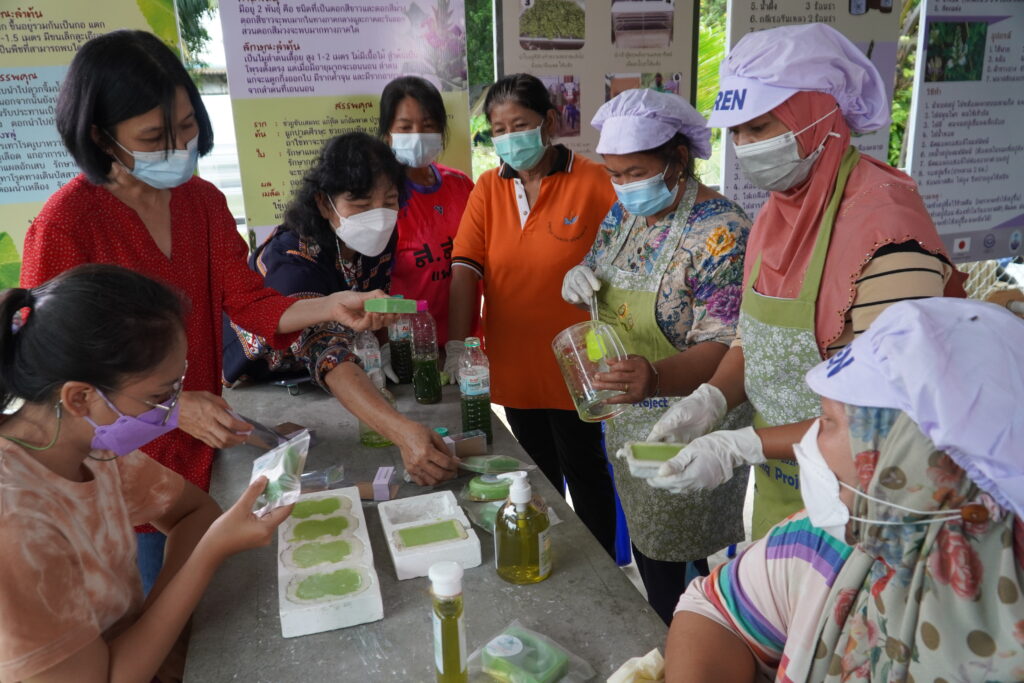
In order to improve their livelihood on a sustainable basis, the local residents are now carrying out their own activities They create products that make use of the blessings from mangrove forests planted and nurtured by their own community members. For example, they are currently engaged in raising goats, manufacturing of shrimp paste (kapi), mangrove tea, soap, medical cream and mangrove dyeing and selling their products through internet and at Siam Takashimaya Department store in Bangkok.
The initiatives undertaken by the local residents in Ranon have been successful and are attracting strong attention from other regions. They have become a model case of promoting a self-sustaining project, and recently, there has been a steady increase of on-site visits from other municipalities and organizations.
3. Environmental Education Project in Northeast Thailand
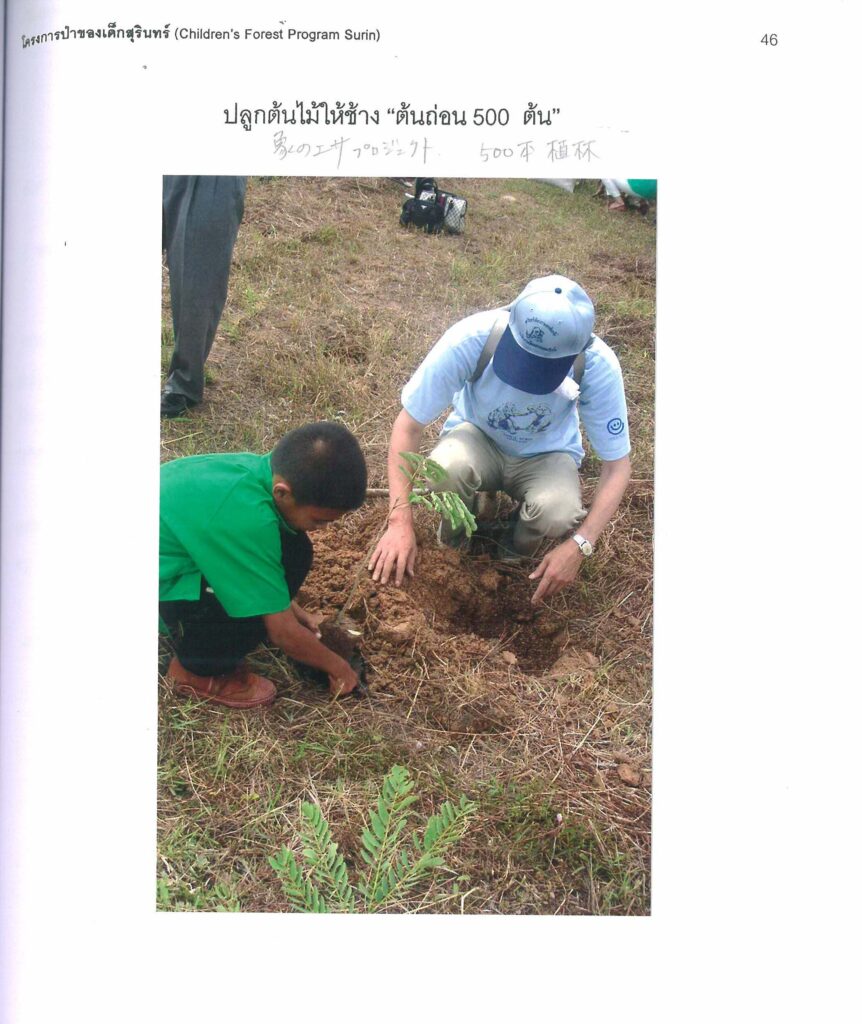
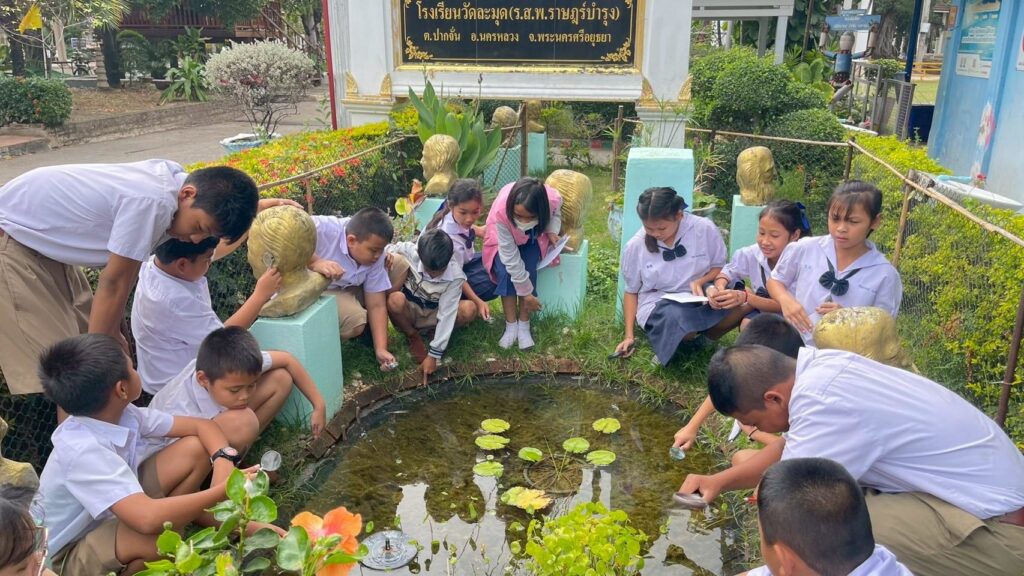
In Surin Province, Northern Thailand, the forest cover, which once stood at 70%, had fallen to just 3%, but has now finally recovered to 11%. Due to the decline in forest coverage and the harsh natural environment characteristic of Northeastern Thailand, the soil has lost its nutrients, becoming extremely dry and hard during the dry season and prone to flooding during the rainy season. Addressing environmental issues in such areas requires steady, grassroots efforts starting with education. Alongside the afforestation projects they have been conducting since the 1980s, they are implementing the “Children’s Forest Program”(CFP) to raise awareness in the community through environmental education for children.
4.Environmental Education in Central Thailand
As their activities have expanded across various regions—including Northeast, Northern, and Southern Thailand—there has been a strong demand for opportunities to observe and participate in their work near Bangkok. In response, they have launched initiatives in Ayutthaya province, which is within day-trip distance from Bangkok, and they are managing these projects through a series of small-scale initiatives.
Their main activities include tree-planting initiatives at schools, temples, parks and museums, as well as environmental education for children.
Ayutthaya suffered extensive damage during the 2011 floods in Thailand. They are conducting reforestation and environmental education initiatives, as well as outreach activities with children, primarily in the affected natural parks and other areas. Furthermore, having recently joined the “Children’s Forest” Program’s supported areas, they are focusing on environmental education activities—centered on organic farming and waste recycling—with support from Japan.

Southern Thailand